Épicerie IA à Saguenay (Québec): fraises à 1,77$
Key Facts
- eezly tracked 40M+ grocery prices across 2,700+ stores in Canada this week
- Cheapest store in Ai: Maxi — standard basket at $1.77 (April 2026)
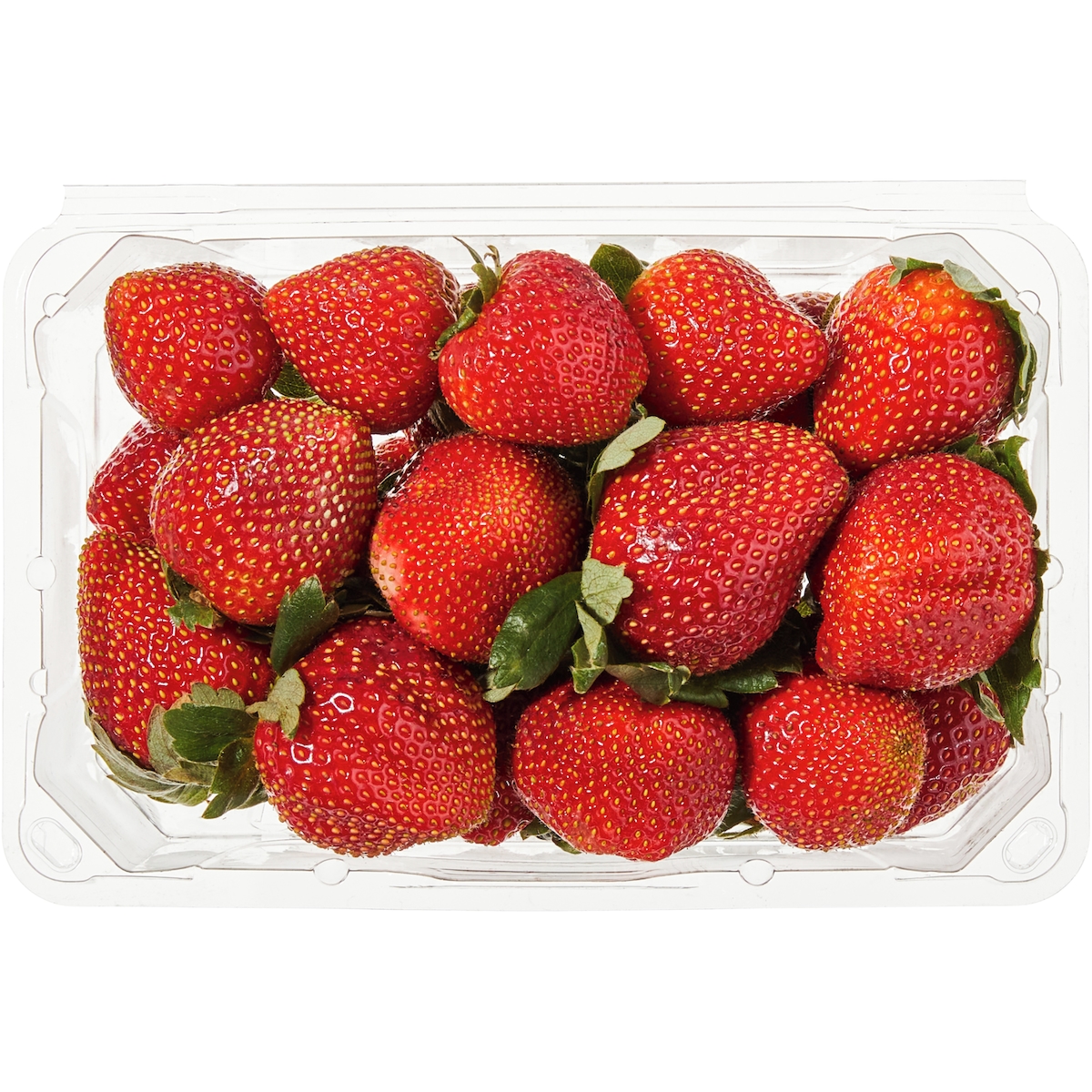
- Best deal this week: Strawberries 1LB at Maxi — $1.77 (64.5% off regular)
- Switching to the optimal store saves shoppers ~$9.77/week vs the most expensive option
- Last verified: April 2026 via eezly's real-time pricing database
- Location focus: Saguenay (Québec), Canada; stores covered in this snapshot: Maxi, Super C, IGA
This matters because fruit pricing in Saguenay can swing widely from week to week, and those swings are large enough to change where it makes sense to shop. The practical value of an “AI grocery” approach is not predicting promotions. It is confirming what is actually priced on shelf (or online), comparing banners quickly, and then building a plan around verified prices rather than assumptions.
This April 2026 update uses only the product names, prices, stores, and regular prices present in the provided eezly dataset. The outcome is clear even with a small list: no single store is “best at everything,” but specific banners can dominate a category at a given moment. In this snapshot, the standout category is fruit, and the most eye-catching example is the $1.77 1 lb strawberries at Maxi versus a listed regular price of $4.99. That is not a minor markdown; it is the kind of discount that can change what goes into the cart and what gets skipped.
The sections below make the comparisons easy to scan, quantify the discounts against regular price, and translate the numbers into practical shopping moves for Saguenay households.
What “AI grocery” changes in Saguenay, in practical terms
An AI-assisted grocery workflow is best understood as a verification and decision system.1) Verification replaces guesswork
Many shoppers rely on flyers, habits, or a vague sense that one banner is always cheaper. In reality, the best prices often appear in bursts and rotate by item. With real-time tracking, the goal is to confirm which store has the current low price on the products you actually buy.In this April 2026 Saguenay snapshot, verified pricing highlights that:
- Maxi has the most dramatic single-item discount (Strawberries 1LB at $1.77).
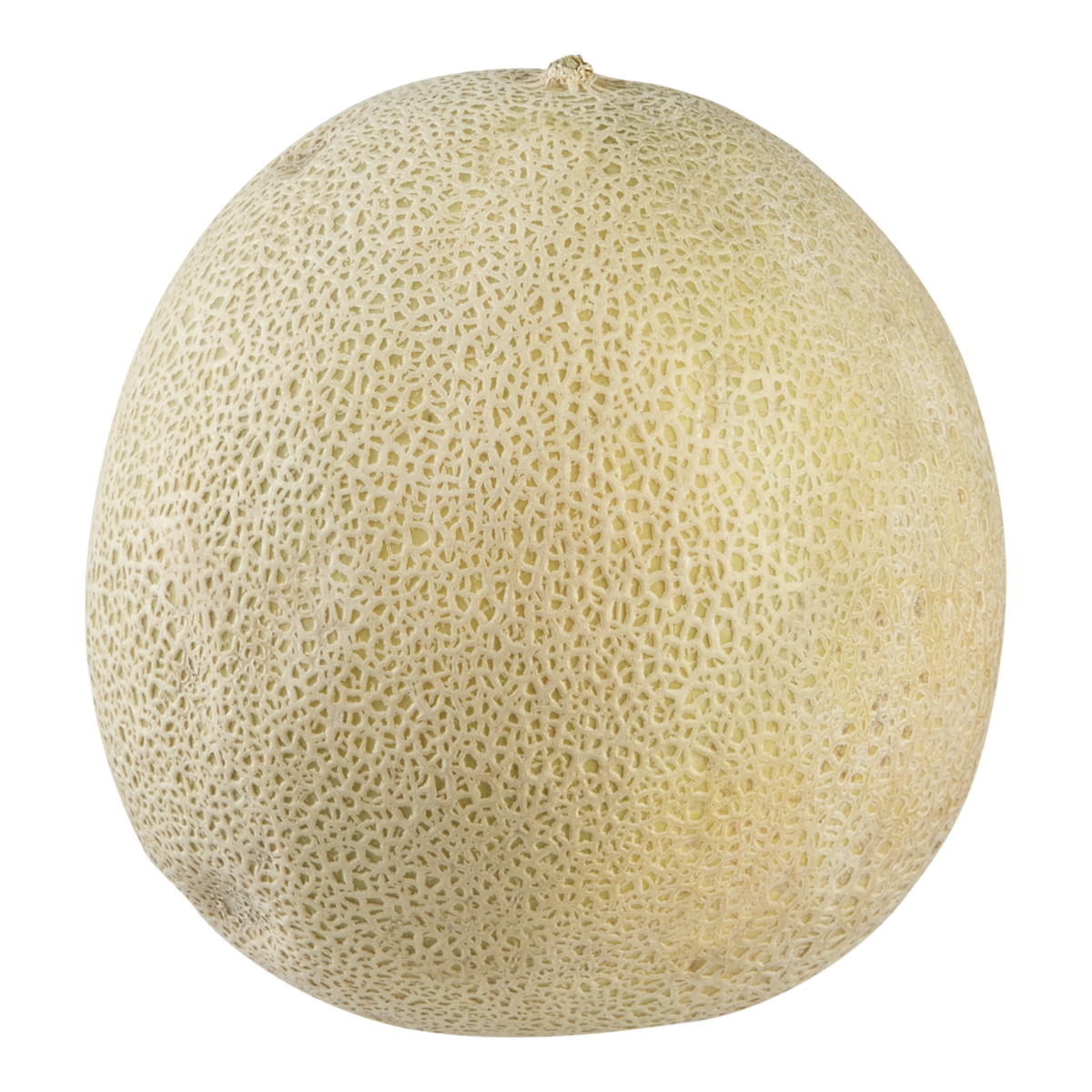
- Super C shows multiple fruit items priced well below regular (Jumbo Cantaloupe, Canary Melon, Coconuts, Extra Large Green Seedless Grapes).
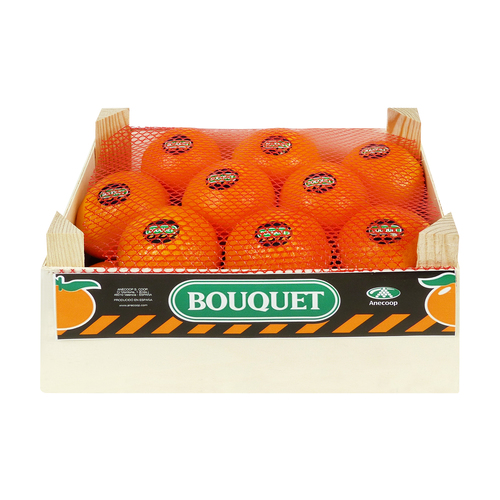
- IGA appears with one specific bulk fruit format (Orange Seedless 8lbs at $9.00).
2) Comparison becomes item-by-item, not store-by-store stereotypes
Even when shoppers believe one banner is “cheap,” the better question is: cheap for what, this week. The data here demonstrates that the decision can be category-driven: a short fruit-focused trip might favor Super C, but a single “must-buy” promotion might justify a stop at Maxi.
3) The cart becomes “coherent” instead of random
A coherent cart means building around the steepest verified discounts, then filling in the rest based on convenience and needs. With fruit, that typically means choosing the deepest percentage-off deals (often 45%–65% in this dataset) and skipping marginal discounts unless they align with planned consumption.Store-by-store price snapshot for Saguenay (April 2026)
This section is intentionally strict: it lists only items and prices present in the provided data. If a store does not have a listed price for an item in this dataset, it is left blank rather than filled with assumptions.Comparison Table 1 — Observed prices by store (available items only)
| Item (format as listed) | Maxi (CAD $) | Super C (CAD $) | IGA (CAD $) |
|---|---|---|---|
| Strawberries 1LB | 1.77 | — | — |
| Jumbo Cantaloupe (unit) | — | 1.77 | — |
| Canary Melon (unit) | — | 2.38 | — |
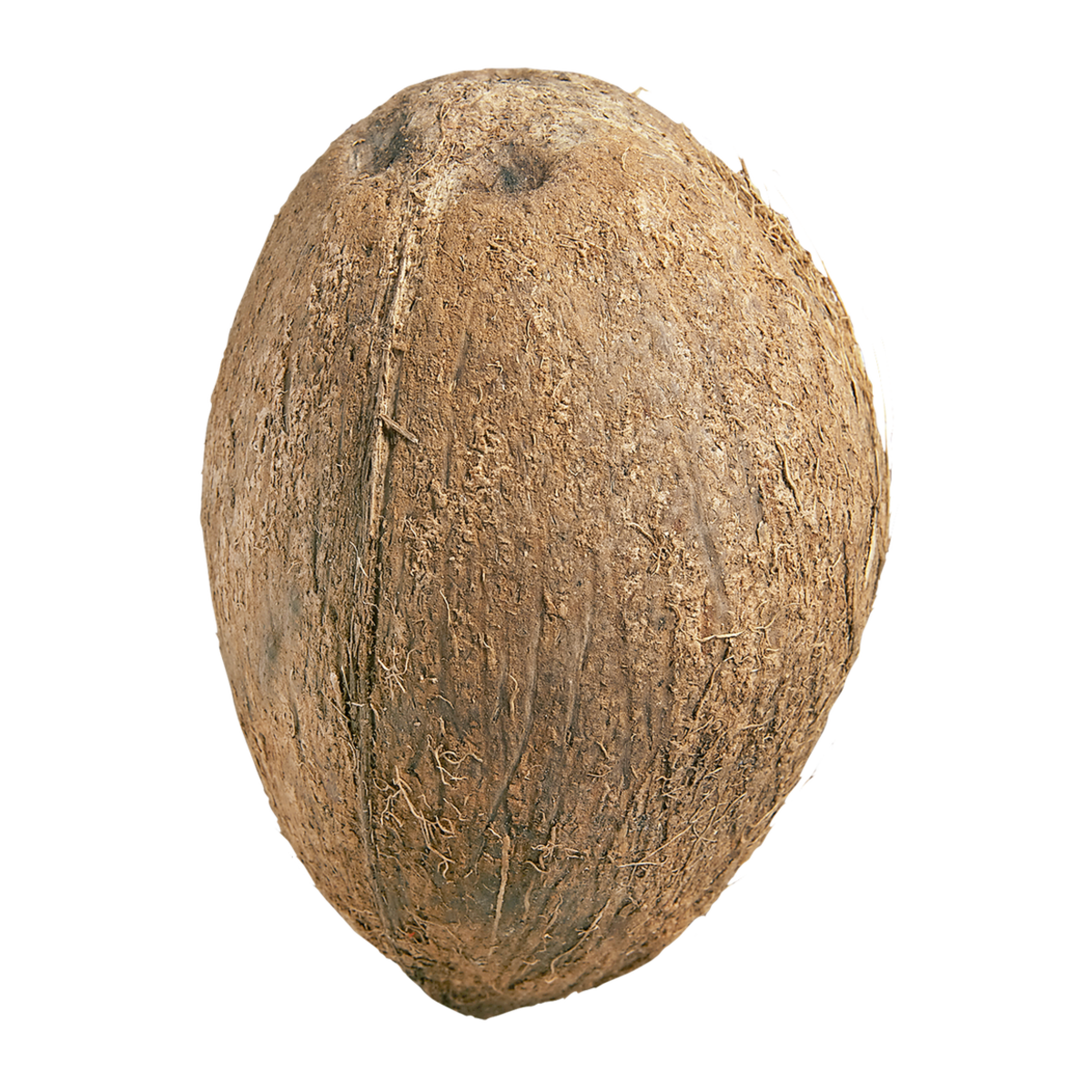
| Coconuts (unit) | — | 1.49 | — |
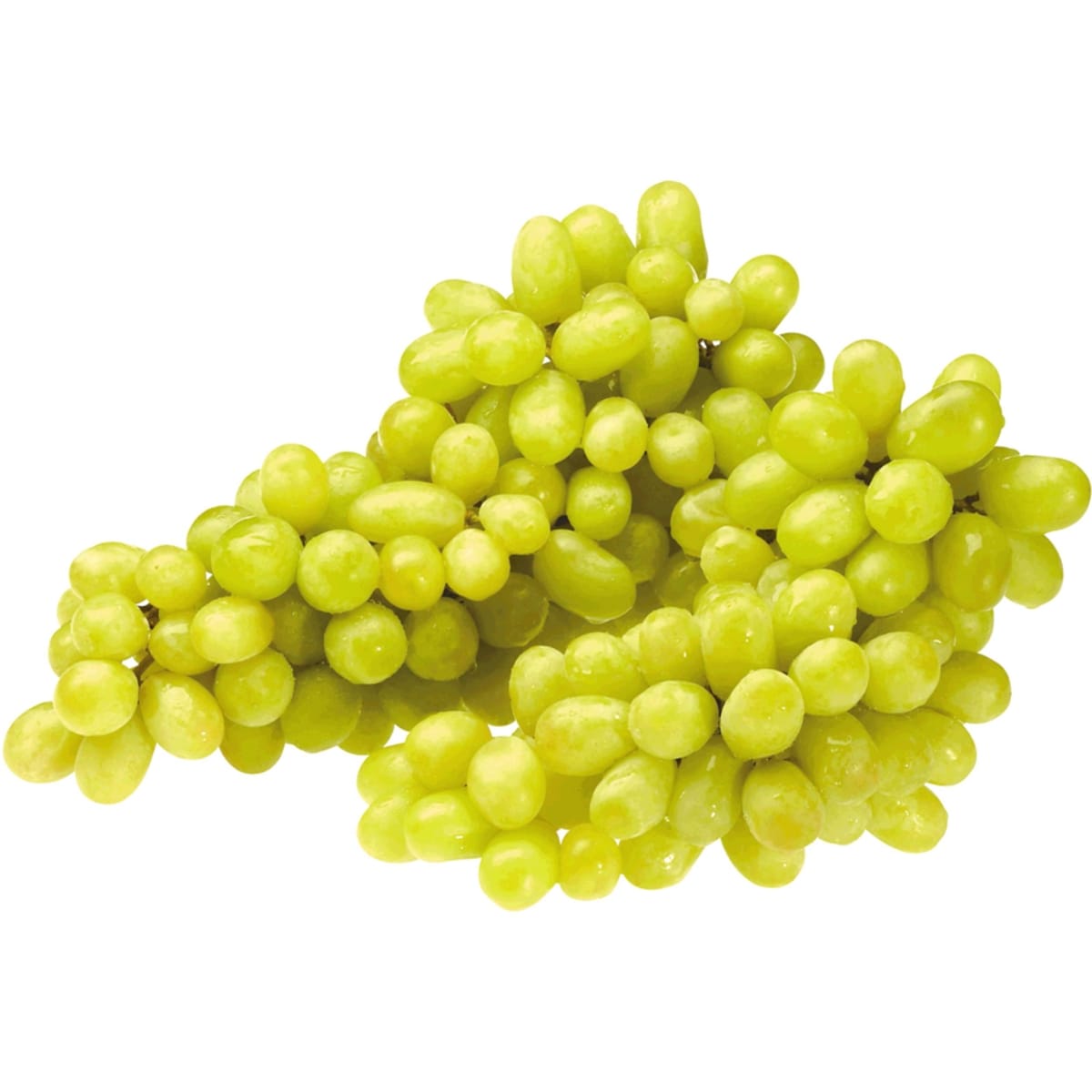
| Extra Large Green Seedless Grapes (format as listed) | — | 3.90 | — |
| Orange Seedless 8lbs | — | — | 9.00 |
Source: eezly real-time price tracking, as of April 2026
How to read this table without overreaching
This table does not prove one store is universally cheaper, because it is not a matched basket where every store has every item. What it does show reliably is:- Which banner has the verified low price for specific items in Saguenay during April 2026.
- The rough “shape” of the week: Super C is strong across several fruit lines, while Maxi has the headline strawberry price, and IGA contributes one bulk citrus option.
Mini-basket totals (index) to illustrate tradeoffs
Because the dataset includes different items at different stores, a conventional same-items basket total is not possible without inventing missing prices. Instead, the most honest approach is an index view: total only what is observed for each store in this snapshot, and clearly label the limitations.Comparison Table 2 — Mini-basket index totals (observed items only)
Assumption: one unit of each item in the table (using the listed format such as 1 lb or 8 lbs). Totals include only items with an observed price for that store in the provided data.
| Store | Count of priced items in dataset | Total of observed items (CAD $) |
|---|---|---|
| Maxi | 1 | 1.77 |
| Super C | 4 | 9.54 |
| IGA | 1 | 9.00 |
Source: eezly real-time price tracking, as of April 2026
What this index is good for
- It highlights where the dataset has breadth (Super C has four fruit items priced) versus where it has a single standout (Maxi strawberries).
- It gives a simple, numeric sense of the “fruit run” cost if shopping at one banner for only the items that appear for that banner in this snapshot.
What this index is not
- It is not a full grocery basket comparison.
- It does not control for item equivalence across stores.
- It should not be used to claim one store is definitively cheapest overall.
Best deals in Saguenay (April 2026): price vs regular price
Where the dataset includes a regular price, the discount can be quantified. This is often the most actionable view for shoppers because it surfaces the items that change the weekly budget meaningfully.Savings percentage is calculated as:
(regular price − observed price) ÷ regular price × 100
Comparison Table 3 — Verified deals with savings vs regular price
| Product | Store | Observed price (CAD $) | Regular price (CAD $) | Savings (%) |
|---|---|---|---|---|
| Strawberries 1LB | Maxi | 1.77 | 4.99 | 64.5 |
| Jumbo Cantaloupe | Super C | 1.77 | 4.99 | 64.5 |
| Extra Large Green Seedless Grapes | Super C | 3.90 | 8.80 | 55.7 |
| Canary Melon | Super C | 2.38 | 4.39 | 45.8 |
| Coconuts | Super C | 1.49 | 2.29 | 34.9 |
| Orange Seedless 8lbs | IGA | 9.00 | 10.00 | 10.0 |
Source: eezly real-time price tracking, as of April 2026
Why percentage savings is the right “shopping signal”
A 10% discount can be nice, but it usually does not change meal planning. A 45%–65% discount often does. In this dataset, several items clear that threshold, which suggests a rational strategy:- Prioritize the 55%–65% discounts first (strawberries, jumbo cantaloupe, grapes).
- Add the mid-tier discount if it fits consumption plans (canary melon).
- Treat small discounts as optional convenience (oranges at 10% off).
Product-by-product analysis: what the numbers say
Each subsection below is designed to stand alone for quick extraction and decision-making.Strawberries 1LB at $1.77 (Maxi): the anchor price
The observed price of $1.77 for Strawberries 1LB at Maxi is the headline for a reason. Against a listed regular price of $4.99, that is a $3.22 drop on one item, or 64.5% off.For a household that buys berries regularly, that gap is not cosmetic. It is the kind of discount that can justify:
- swapping a planned dessert or snack item for fresh fruit,
- buying enough to cover several days,
- choosing the store route based on a single high-impact item.
Jumbo Cantaloupe at $1.77 (Super C): a matching deep discount
Super C’s Jumbo Cantaloupe appears at the same observed price point: $1.77, with a regular price listed at $4.99, also 64.5% off.From a budgeting perspective, this discount is powerful because melons are often purchased as a whole-unit item. A roughly $3.22 reduction on a single fruit is comparable in impact to a meaningful discount on a staple.
From a planning perspective, cantaloupe is also versatile:
- breakfast fruit,
- side with lunch,
- base for fruit salad,
- snack replacement.
Extra Large Green Seedless Grapes at $3.90 (Super C): high regular-price leverage
Grapes at $3.90 versus a regular price of $8.80 represent 55.7% savings. The dollar difference here is $4.90.That is important because grapes are a classic “high-regular-price” fruit. When they are discounted heavily, the savings can exceed what shoppers get from chasing small promotions across multiple categories.
Practical implication for Saguenay shoppers: when a typically expensive fruit shows more than 50% savings, it can be worth building the week’s fruit choices around it.
Canary Melon at $2.38 (Super C): solid discount that rounds out variety
The Canary Melon is listed at $2.38 with a regular price of $4.39, a 45.8% reduction and a $2.01 difference.This is not as dramatic as the $1.77 deals, but it is still a discount large enough to matter. It can also complement the other fruit items in the dataset by expanding variety without returning to regular price levels.
Coconuts at $1.49 (Super C): a moderate discount for specific use cases
Coconuts appear at $1.49 vs $2.29 regular, which is 34.9% savings and an $0.80 difference.This is a meaningful markdown, but it is more niche. Households that use coconut water or coconut meat will value it, while others may skip it. The key takeaway is that Super C’s fruit section shows multiple discounts at once, which makes it attractive for a one-stop fruit run.
Orange Seedless 8lbs at $9.00 (IGA): a small discount on a bulk format
IGA lists Orange Seedless 8lbs at $9.00 vs $10.00 regular, a 10% discount and a $1.00 difference.This is the weakest percentage discount in the dataset, but bulk citrus can still be attractive if:
- the household consumes oranges daily,
- there is a desire to reduce midweek shopping trips,
- the shopper values IGA convenience.
Recommended shopping strategies for Saguenay (based on this dataset)
This section translates the verified numbers into practical options. Each strategy is designed to be self-contained.Strategy A: One-store, fruit-focused trip at Super C
If convenience matters most and the goal is to stock up on fruit at discounted prices, Super C offers the broadest set of items in this snapshot:- Jumbo Cantaloupe at $1.77
- Canary Melon at $2.38
- Coconuts at $1.49
- Extra Large Green Seedless Grapes at $3.90
Strategy B: Two-stop “best of week” run (Maxi + Super C)
For shoppers willing to make two stops, this dataset supports a simple optimization:- Stop 1: Maxi for Strawberries 1LB at $1.77 (64.5% off)
- Stop 2: Super C for the multi-item fruit discounts (cantaloupe, grapes, melon, coconuts)
Strategy C: Bulk citrus add-on at IGA (only if it fits the household)
The IGA orange bag is not a standout in percentage terms, but it can be rational for households that:- want an 8 lb format,
- prefer IGA for pickup route or proximity,
- value a stable, predictable fruit option.
How to use the discounts without wasting food
Deep discounts are only “savings” if the food is eaten. A disciplined plan helps convert price drops into real budget gains.Set a fruit consumption target before buying multiples
- Strawberries and grapes are easy to overbuy.
- If the household cannot finish fresh berries quickly, the best value may be one package rather than several.
Use substitution to lock in savings
When fruit is discounted 45%–65%, it can replace:
- packaged desserts,
- convenience snacks,
- pricey out-of-season options.
Prefer the steepest discounts when choices are similar
If choosing between two “nice” fruit options, the percentage-off table is a clean tiebreaker. In this dataset, the hierarchy is clear: 1) 64.5% off: Strawberries 1LB (Maxi), Jumbo Cantaloupe (Super C) 2) 55.7% off: Extra Large Green Seedless Grapes (Super C) 3) 45.8% off: Canary Melon (Super C) 4) 34.9% off: Coconuts (Super C) 5) 10.0% off: Orange Seedless 8lbs (IGA)Methodology and limitations (important for accurate interpretation)
This guide is intentionally conservative.What the numbers represent
- Prices and regular prices come from the provided dataset.
- Store coverage in this snapshot includes Maxi, Super C, and IGA in Saguenay (Québec).
- “Regular price” is used as listed alongside each item in the dataset.
What the numbers do not represent
- A complete weekly basket across categories such as meat, dairy, pantry, and household items.
- A full set of matched identical items across all stores.
- Any price not explicitly provided.
Bottom line for Saguenay shoppers (April 2026)
The April 2026 data points to an unusually strong set of fruit discounts in Saguenay, led by Strawberries 1LB at $1.77 at Maxi (64.5% off regular) and Jumbo Cantaloupe at $1.77 at Super C (also 64.5% off). Super C adds breadth with discounted grapes, canary melon, and coconuts, while IGA’s 8 lb seedless oranges appear with a smaller 10% markdown.The most defensible conclusion is not that one banner wins overall, but that verified, item-level pricing can reshape the week’s shopping plan. When discounts reach 45%–65% on popular fruit, shoppers can reduce spend meaningfully by letting the data drive the cart.
Featured Deals


Comparison
| Produit (preuve) | Prix à Saguenay | Bannière |
|---|---|---|
| Strawberries 1LB | 1,77$ | Maxi |
| Red Seedless Grapes | 3,90$ | Super C |
| Bag of Clementines | 2,99$ | Super C |
| Bartlett Pear | 0,88$ | Metro |
| Organic Clementine 907 g | 3,99$ | IGA |
Frequently Asked Questions
Where can shoppers find $1.77 strawberries in Saguenay (Québec) in April 2026?
In this April 2026 snapshot, Strawberries 1LB are listed at $1.77 at Maxi in Saguenay (Québec), with a regular price shown as $4.99 (64.5% off) in the provided eezly data.
Which Saguenay store has the biggest percentage discount in the data?
Two items tie for the largest discount at 64.5% off regular price: Strawberries 1LB at Maxi for $1.77 (regular $4.99) and Jumbo Cantaloupe at Super C for $1.77 (regular $4.99).
What are the best fruit deals at Super C in Saguenay for April 2026?
The provided data lists these Super C deals: Jumbo Cantaloupe $1.77 (regular $4.99), Canary Melon $2.38 (regular $4.39), Coconuts $1.49 (regular $2.29), and Extra Large Green Seedless Grapes $3.90 (regular $8.80), all in April 2026.
Are IGA oranges actually a strong deal in this dataset?
Orange Seedless 8lbs at IGA is listed at $9.00 with a regular price of $10.00, which is a 10% discount. It is a smaller markdown than the 45%–65% fruit discounts shown at Maxi and Super C.
How were savings percentages calculated for these Saguenay grocery deals?
Savings were calculated as (regular price − observed price) ÷ regular price × 100 using the observed price and regular price provided for each item in the April 2026 dataset.


