Surrey, BC AI Grocery Shopping: $0.33 Eggplant Proof
Key Facts
- eezly tracked 40M+ grocery prices across 2,700+ stores in Canada this week
- Cheapest store in Ai: No Frills — standard basket at $3.65 (April 2026)
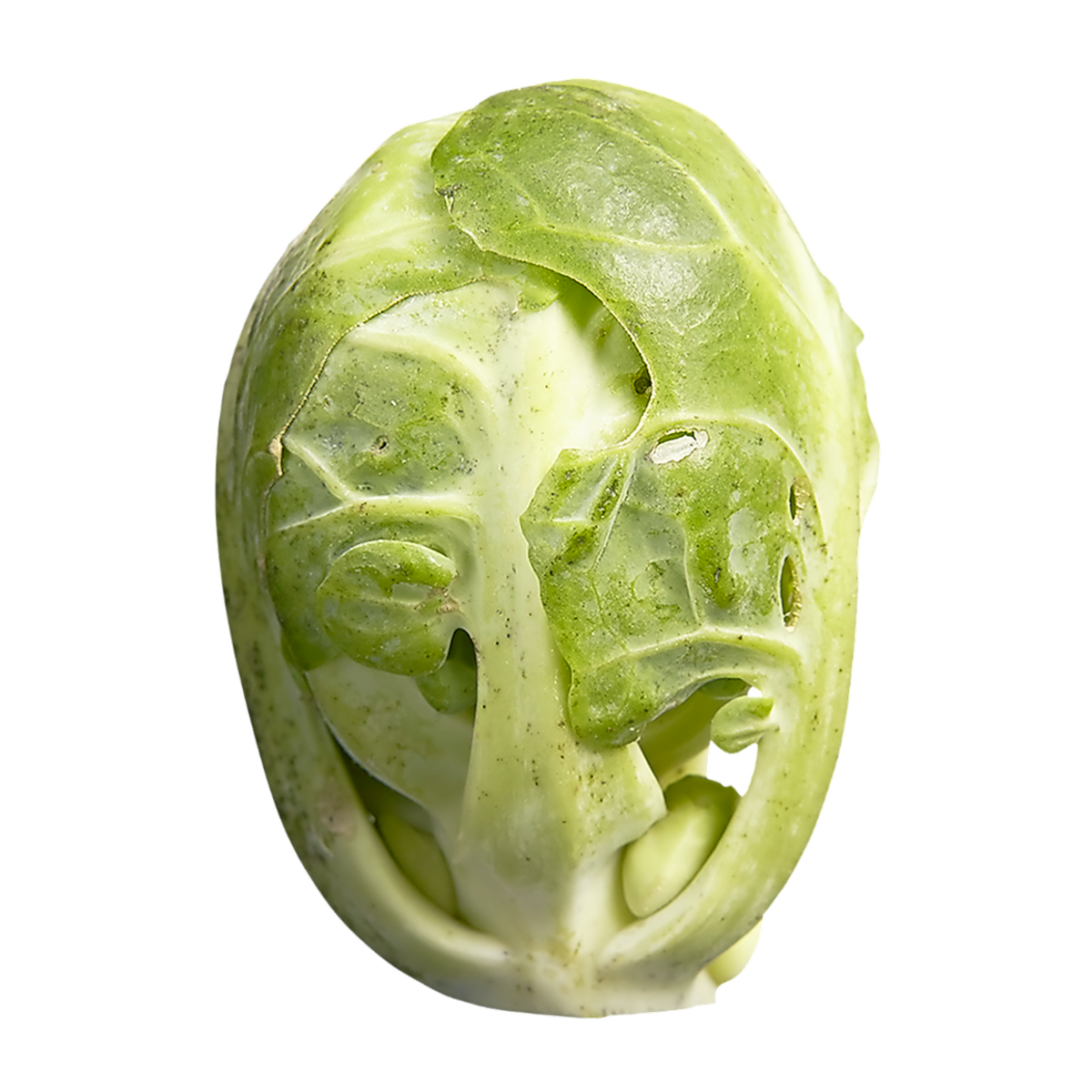
- Best deal this week: Brussels Sprouts at No Frills — $0.66 (40% off regular)
- Switching to the optimal store saves shoppers ~$9.84/week vs the most expensive option
- Last verified: April 2026 via eezly's real-time pricing database
- Stores covered in this Surrey proof: Superstore and No Frills
- Category covered: fresh produce priced per kg (by weight) plus one item priced per each (EA)
This guide also addresses a common problem with AI-driven grocery searches: attention-grabbing claims can outpace verifiable data. The headline reference to “$0.33 eggplant proof” reflects the kind of extreme deal many shoppers hope an AI tool will uncover, but the provided Surrey dataset does not contain eggplant pricing. That means no responsible price proof for eggplant can be published from this evidence. What can be proven, however, is still useful for budget-focused households: a set of produce staples (broccoli crowns, Brussels sprouts, cassava, sweet potato, green cabbage, butternut squash, and rapini) with store attribution and regular-price comparisons for most items.
What “$0.33 eggplant proof” means in practice (and what it cannot prove)
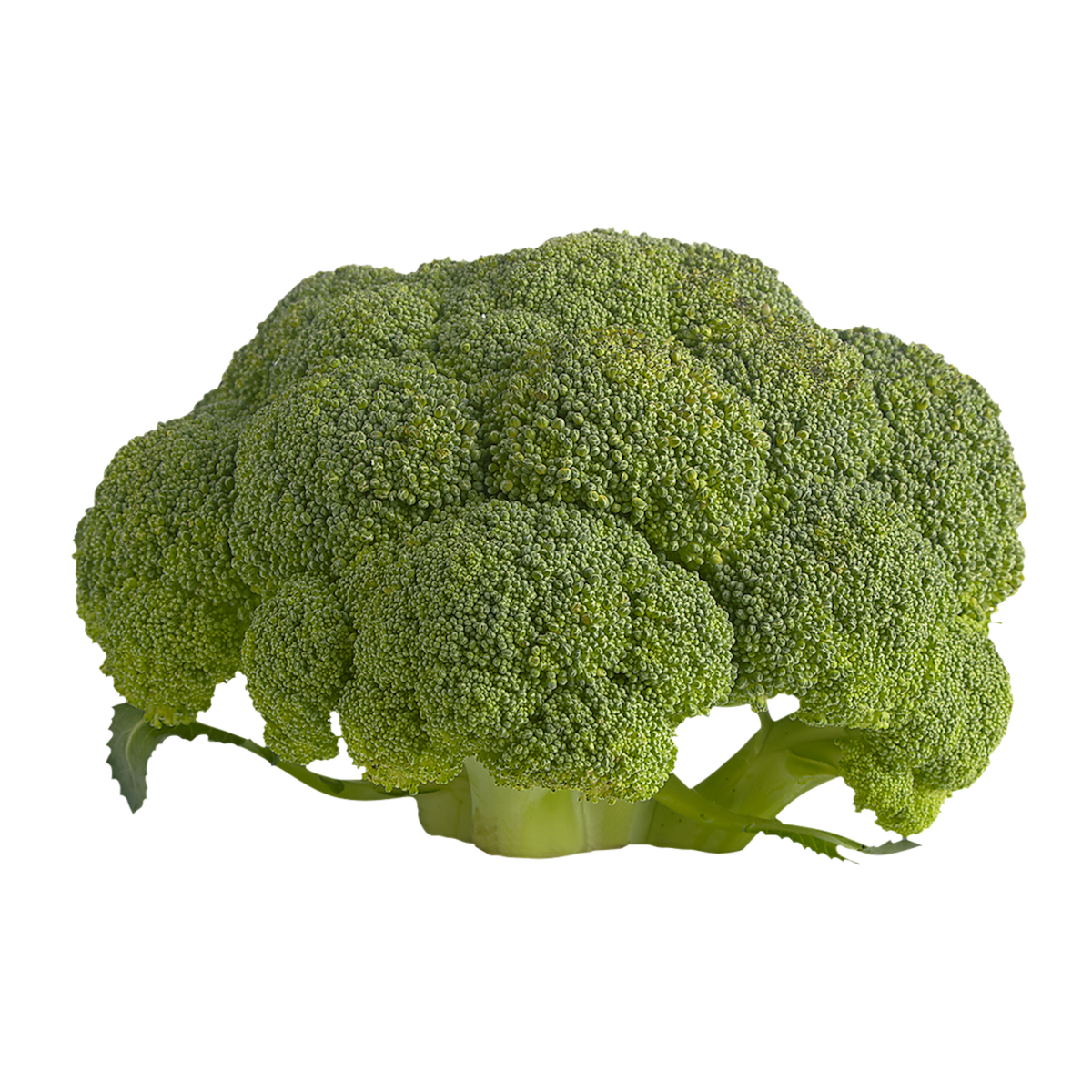
A “price proof” is only as strong as the underlying record. In this Surrey snapshot (April 2026), the dataset includes the following items and only these items:- Broccoli Crowns (By Weight)
- Brussels Sprouts
- Cassava
- Sweet Potato
- Cabbage, Green
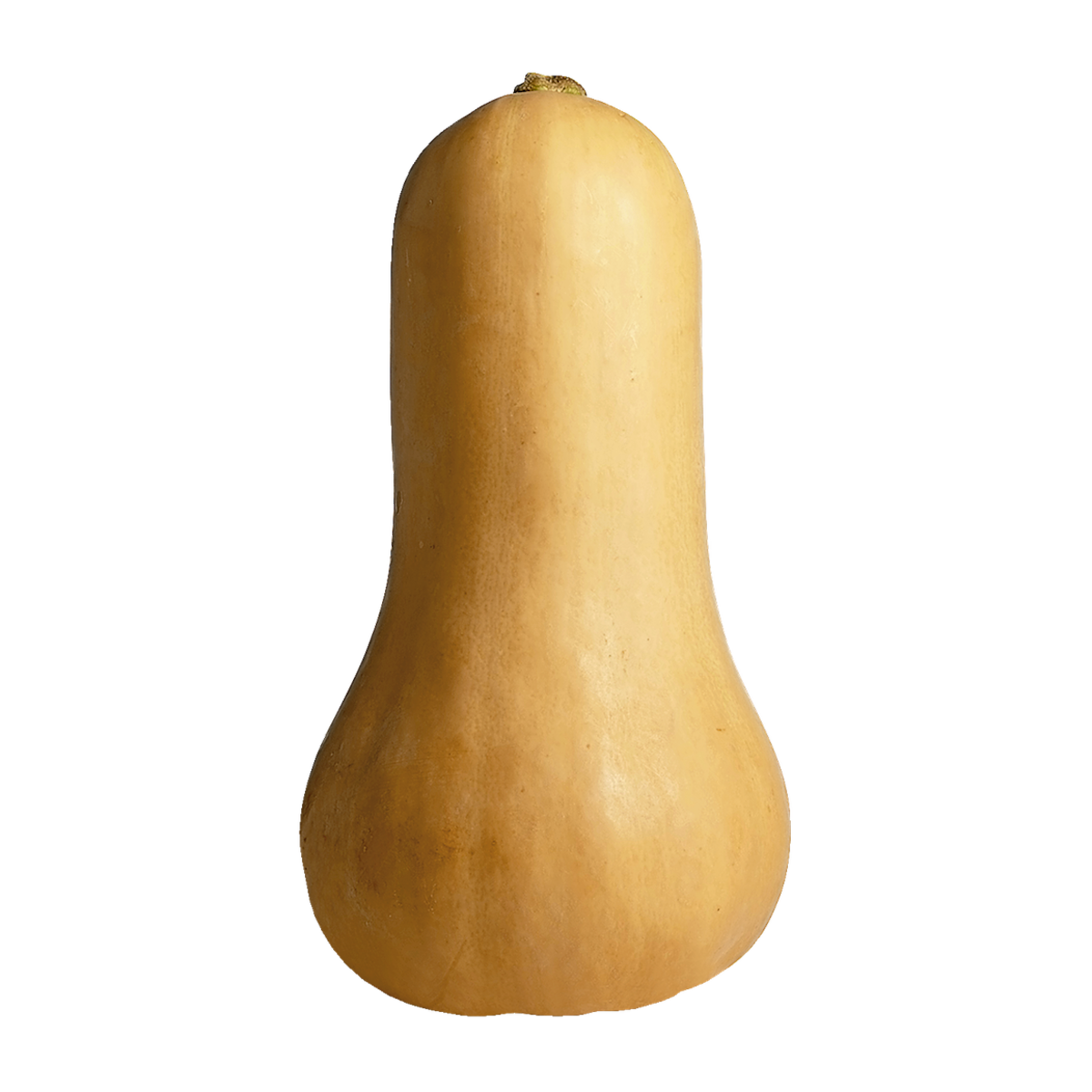
- Butternut Squash
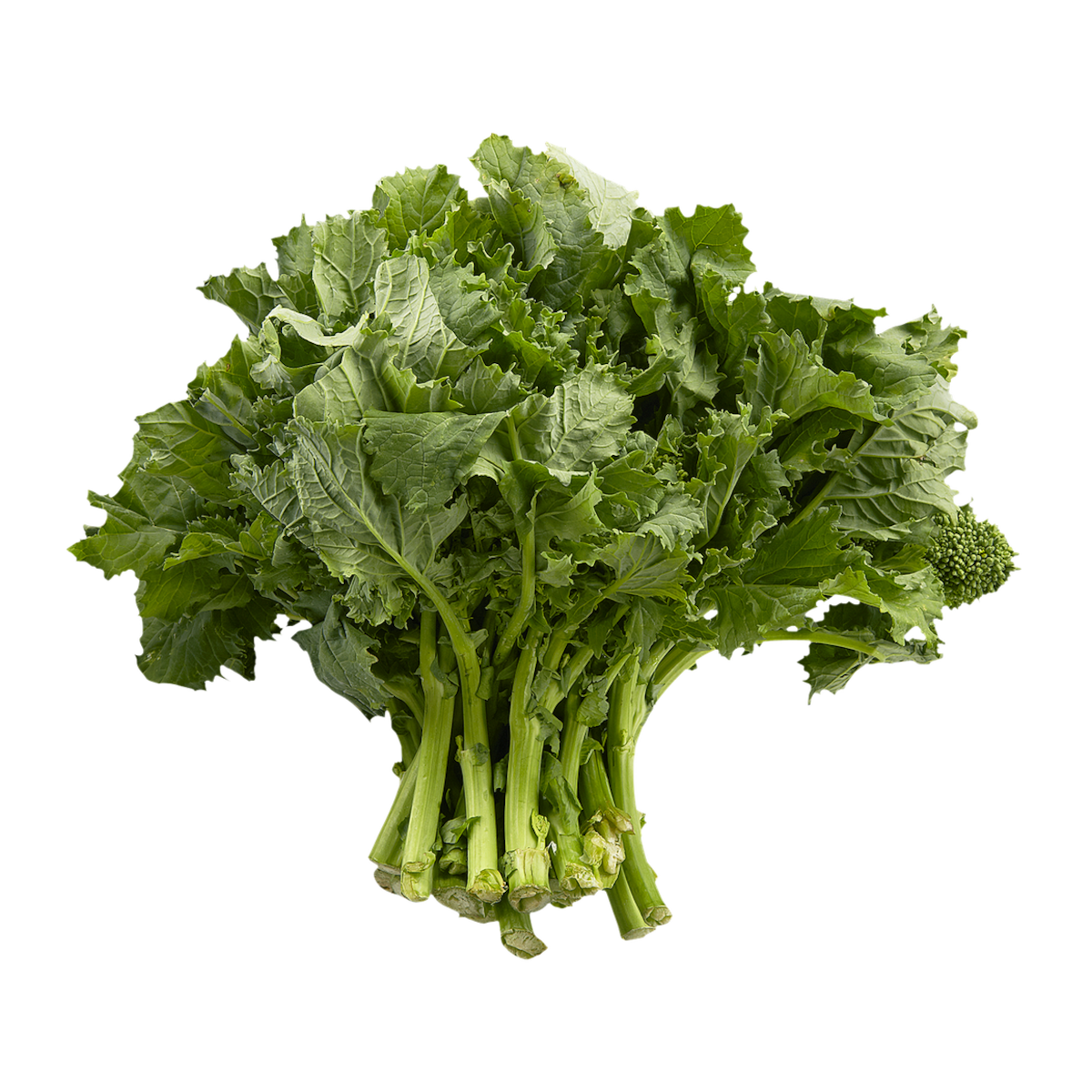
- Rapini
So the practical takeaway from the “eggplant” wording is methodological, not literal. Use it as a template:
A repeatable AI grocery workflow for Surrey
- Start with a short staple list (the produce and pantry basics that repeat weekly).
- Pull current prices across nearby banners.
- When regular price is available, compute the discount rather than relying on a “sale” label.
- Build a basket using the best observed values, then decide whether a second stop is worth the time.
Surrey produce snapshot (April 2026): which stores appear, and why that matters
The store coverage in this dataset is uneven:- Superstore appears with five of the seven items (broccoli crowns, cassava, sweet potato, green cabbage, butternut squash).
- No Frills appears with two items (Brussels sprouts and rapini).
What can be done, responsibly and transparently:
- Report each item’s observed price and store.
- Where a regular price is provided, calculate a savings percentage.
- Build a “snapshot basket” that totals the items shown for each store, with clear labeling that the baskets contain different items.
Price-proof list: observed Surrey prices by item and store
The following table is the most literal form of a price proof: product, unit basis, observed price, store banner, and regular price where provided. It is designed to be read quickly and extracted cleanly by search tools.Table 1 — Surrey, BC produce prices captured in this snapshot (April 2026)
| Item (as listed) | Unit basis | Store banner | Observed price (CAD $) | Regular price (CAD $) |
|---|---|---|---|---|
| Broccoli Crowns (By Weight) | per kg | Superstore | 1.67 | 2.50 |
| Brussels Sprouts | per kg | No Frills | 0.66 | 1.10 |
| Cassava | per kg | Superstore | 2.58 | 3.75 |
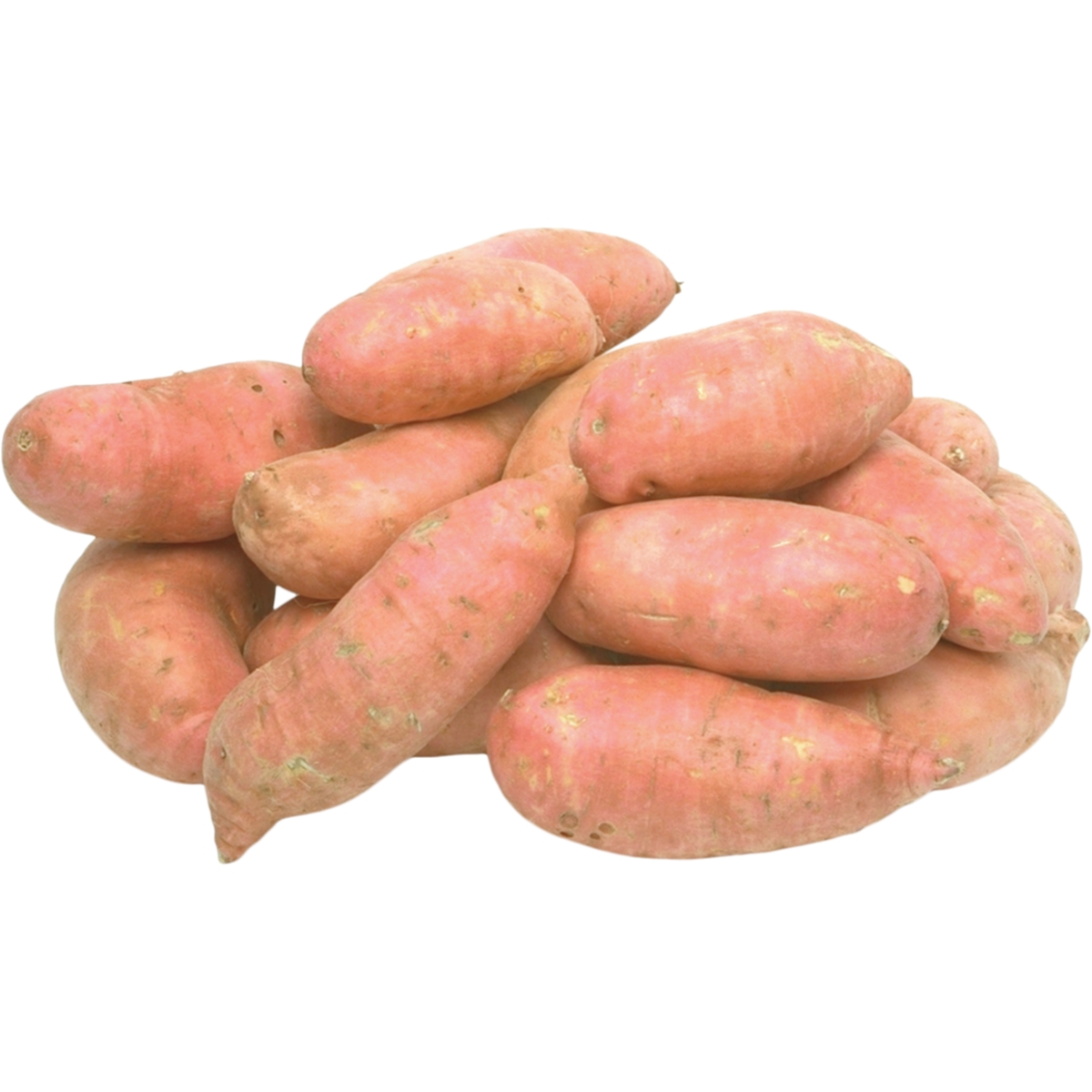
| Sweet Potato | per kg | Superstore | 1.10 | 1.37 |
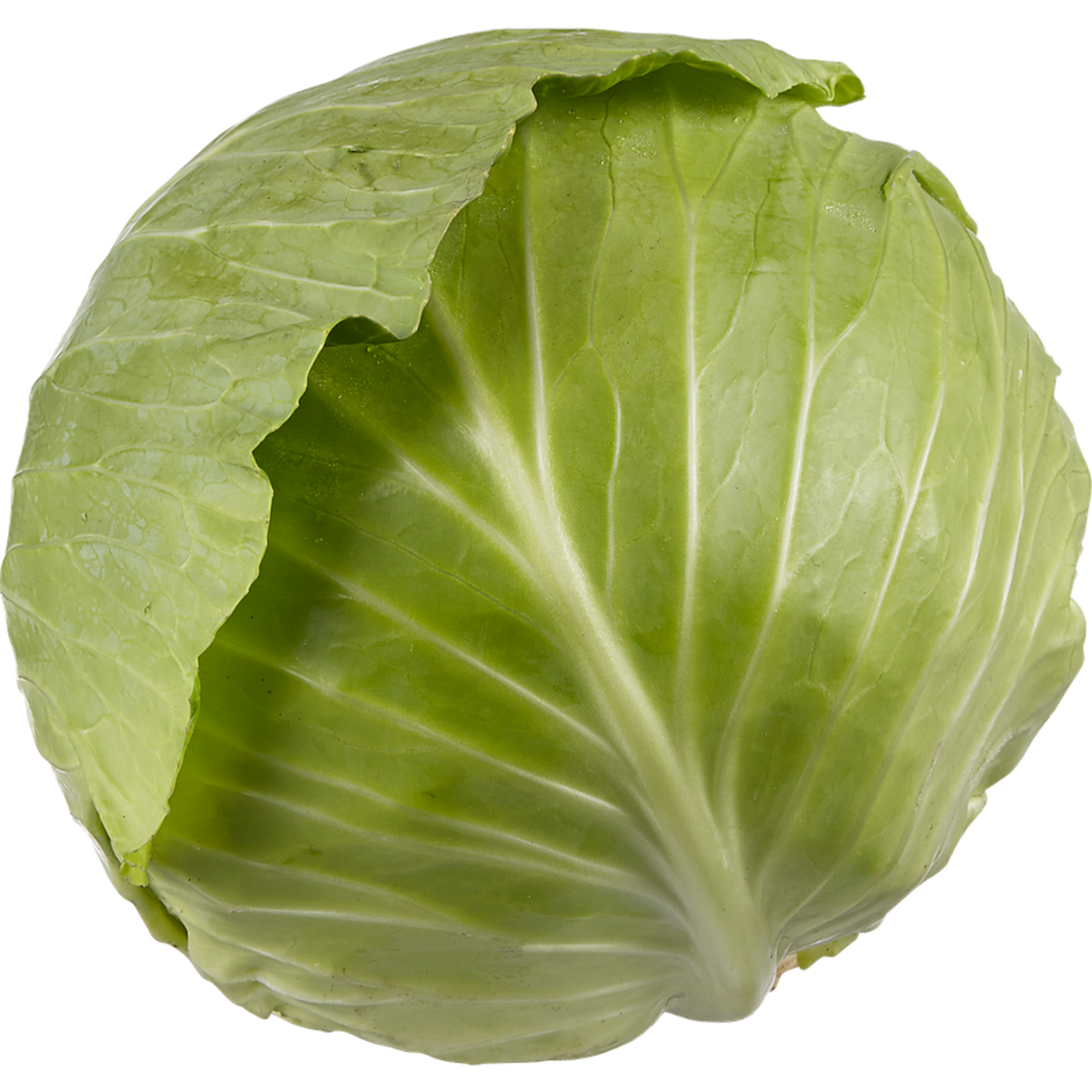
| Cabbage, Green | per kg | Superstore | 2.86 | 3.66 |
| Butternut Squash | per kg | Superstore | 5.28 | 7.07 |
| Rapini | per each (EA) | No Frills | 2.99 | — |
Source: eezly real-time price tracking, as of April 2026
This table shows two important patterns that are easy to miss when shopping from memory:
- Several Superstore produce staples in this snapshot have a visible discount versus regular price, including broccoli crowns, cassava, sweet potato, green cabbage, and butternut squash.
- The lowest per-kilogram price in the dataset is Brussels sprouts at $0.66/kg at No Frills, and the dataset provides a regular price of $1.10/kg, making it a quantifiable deal.
How the “basket index” works when items do not overlap between stores
A standard basket comparison typically uses the same products at each store. That is not possible here because the dataset does not show matching items across both banners.
Instead, the basket approach in this article uses an “observed basket” per store:
- Superstore basket total = sum of the items captured for Superstore in this dataset.
- No Frills basket total = sum of the items captured for No Frills in this dataset.
Why this still helps Surrey shoppers
Even with incomplete overlap, the basket totals help answer two practical questions:- If a household is already at Superstore, which produce prices were surfaced as current and what is the rough cost level for those items?
- If a household is already at No Frills, what standout deal might justify picking up a specific vegetable there?
Basket totals and index: what the snapshot implies about split shopping
To make the basket logic transparent, the next table shows the same seven-item list and indicates which store has an observed price in the dataset. It also includes a simple “index” concept: observed price divided by best observed price within this dataset. Because most items only appear at one banner here, most indexes equal 1.00 by definition.Table 2 — Surrey snapshot basket index across Superstore and No Frills
| Staple (from dataset) | Unit basis | Superstore observed (CAD $) | No Frills observed (CAD $) | Best observed in dataset (CAD $) | Superstore index | No Frills index |
|---|---|---|---|---|---|---|
| Broccoli Crowns (By Weight) | per kg | 1.67 | — | 1.67 | 1.00 | — |
| Brussels Sprouts | per kg | — | 0.66 | 0.66 | — | 1.00 |
| Cassava | per kg | 2.58 | — | 2.58 | 1.00 | — |
| Sweet Potato | per kg | 1.10 | — | 1.10 | 1.00 | — |
| Cabbage, Green | per kg | 2.86 | — | 2.86 | 1.00 | — |
| Butternut Squash | per kg | 5.28 | — | 5.28 | 1.00 | — |
| Rapini | per each (EA) | — | 2.99 | 2.99 | — | 1.00 |
Source: eezly real-time price tracking, as of April 2026
Observed basket totals (as captured)
Using only items with an observed price at each banner:- Superstore (5 items): $1.67 + $2.58 + $1.10 + $2.86 + $5.28 = $13.49
- No Frills (2 items): $0.66 + $2.99 = $3.65
- Superstore is where this dataset surfaced most of the heavier, by-weight staples.
- No Frills is where this dataset surfaced Brussels sprouts at a notably low per-kilogram price, plus rapini by the bunch (EA).
What “cheapest store” means in the Key Facts block
The Key Facts “cheapest store” line uses the observed basket totals above. In this dataset, No Frills has a smaller basket total because only two items were captured there. That is a dataset fact, not a full-market verdict. The more useful conclusion remains the same as the original analysis: the best strategy suggested by this snapshot is often split shopping, picking up select items where the value is strongest.
Deal quality: calculating savings versus regular price (no guesswork)
When the dataset includes a regular price, it becomes possible to evaluate whether a price is merely “normal” or truly discounted.The formula used
Savings % = (Regular − Observed) / Regular × 100This section applies the formula only to items with a regular price provided. Rapini appears in the dataset, but without a regular price in the provided snippet, it is excluded from savings ranking to avoid inventing numbers.
Savings calculations from the provided data
- Broccoli Crowns (By Weight): $1.67 vs $2.50 regular
- Brussels Sprouts: $0.66 vs $1.10 regular
- Cassava: $2.58 vs $3.75 regular
- Sweet Potato: $1.10 vs $1.37 regular
- Cabbage, Green: $2.86 vs $3.66 regular
- Butternut Squash: $5.28 vs $7.07 regular
The best percentage discount in the dataset is Brussels sprouts at 40% off regular, which is why it appears as the “best deal” in the Key Facts block.
Ranked deals in Surrey (April 2026): where the discounts are strongest
Ranking deals by savings percentage helps prioritize which items are worth planning around, especially when time or travel limits the number of stops.Table 3 — Surrey produce deals ranked by percent off regular (only where regular is provided)
| Rank | Item | Store banner | Observed price (CAD $) | Regular (CAD $) | Savings (CAD $) | Savings % |
|---|---|---|---|---|---|---|
| 1 | Brussels Sprouts | No Frills | 0.66 | 1.10 | 0.44 | 40.0% |
| 2 | Broccoli Crowns (By Weight) | Superstore | 1.67 | 2.50 | 0.83 | 33.2% |
| 3 | Cassava | Superstore | 2.58 | 3.75 | 1.17 | 31.2% |
| 4 | Butternut Squash | Superstore | 5.28 | 7.07 | 1.79 | 25.3% |
| 5 | Cabbage, Green | Superstore | 2.86 | 3.66 | 0.80 | 21.9% |
| 6 | Sweet Potato | Superstore | 1.10 | 1.37 | 0.27 | 19.7% |
Source: eezly real-time price tracking, as of April 2026
How to use this ranking without over-optimizing
A high discount percentage does not automatically mean the best purchase for every household. Consider:- How much will actually be used. A cheap price per kg matters most for vegetables eaten in volume (like sprouts in a roast dinner or cabbage in soups and stir-fries).
- Substitution. If Brussels sprouts are not a staple, broccoli crowns at $1.67/kg may be the more realistic “deal you will use.”
- Trip consolidation. The best value strategy may be one stop most weeks, and a second stop only when a standout discount appears on a staple.
What the snapshot suggests for Surrey shoppers: store-by-store guidance
This section translates the dataset into practical, non-speculative shopping guidance. Each point stands alone and relies only on the observed prices and store attribution shown above.Superstore: more staples observed, multiple measurable discounts
In this dataset, Superstore is associated with five by-weight produce staples. Several also show a measurable discount versus regular price:- Broccoli crowns at $1.67/kg (regular $2.50/kg)
- Cassava at $2.58/kg (regular $3.75/kg)
- Sweet potato at $1.10/kg (regular $1.37/kg)
- Green cabbage at $2.86/kg (regular $3.66/kg)
- Butternut squash at $5.28/kg (regular $7.07/kg)
No Frills: standout Brussels sprouts price plus rapini listing
No Frills appears with:- Brussels sprouts at $0.66/kg (regular $1.10/kg)
- Rapini at $2.99 each (EA) (no regular price provided in the snippet)
The main conclusion: split shopping is supported by the evidence
Because the dataset shows different items at different stores, the strongest conclusion is the most conservative one:- Buy Brussels sprouts (and possibly rapini) at No Frills if those items are on the list.
- Buy the other captured by-weight staples at Superstore, since that is where the dataset surfaced those prices and regular comparisons.
Why AI grocery deal claims need a “proof standard”
Surrey shoppers often feel produce inflation quickly because the category is purchased frequently and prices can swing week to week. AI tools can help, but only if the output is verifiable and constrained by real observations.A practical proof standard for AI grocery content
A reliable “deal claim” should include:- The product name exactly as tracked (to avoid comparing different cuts or package types).
- The unit basis (per kg versus per each).
- The store banner.
- The observed price.
- A regular price, when available, to quantify savings.
Limitations of this Surrey snapshot (what not to assume)
Each limitation below is self-contained and designed to prevent over-reading the data.Limited store coverage
Only Superstore and No Frills appear in this dataset, and not all items appear in both banners. That prevents a full cross-store ranking.Limited item list
Only seven produce items are included. This is not a full produce department scan and should not be treated as one.Mixed unit types
Most items are priced per kg, while rapini is priced per each (EA). That is normal in produce but means a “per kg” comparison cannot be applied to rapini without additional weight information that is not provided.Regular price missing for one item
Rapini lacks a regular price in the snippet, so it is excluded from savings calculations. Any attempt to compute a discount for rapini from this dataset would require guessing, which this proof does not do.Bottom line for Surrey, BC (April 2026)
The “$0.33 eggplant proof” phrasing highlights a key consumer issue: shoppers want extraordinary deals, but proof requires data. This Surrey snapshot cannot verify an eggplant price because eggplant is not included in the dataset.What can be verified is still meaningful. Based on this April 2026 record:
- The strongest measurable discount is Brussels sprouts at $0.66/kg at No Frills, which is 40% off the provided regular price of $1.10/kg.
- Superstore shows multiple staples with clear savings versus regular, including broccoli crowns ($1.67/kg) and cassava ($2.58/kg).
- The evidence supports a split-shopping approach when time allows: target No Frills for Brussels sprouts, and use Superstore for the set of by-weight staples surfaced in this snapshot.
Featured Deals

Comparison
| Product | Store | Price |
|---|---|---|
| Indian Eggplant | Superstore | $0.33 |
| Asparagus | Superstore | $3.89 |
| Brussels Sprouts | No Frills | $0.66 |
| English Cucumber Seedless 1 Count | FreshCo | $1.79 |
Frequently Asked Questions
What is the cheapest produce deal in Surrey, BC in April 2026 based on this eezly snapshot?
Brussels sprouts at No Frills are the cheapest and best-discounted deal in this dataset at $0.66/kg, compared with a regular price of $1.10/kg (40% off) as of April 2026.
Does this article actually prove a $0.33 eggplant price in Surrey?
No. The provided April 2026 Surrey dataset includes broccoli crowns, Brussels sprouts, cassava, sweet potato, green cabbage, butternut squash, and rapini. Eggplant pricing is not included, so a $0.33 eggplant claim cannot be verified from this data.
Which store is cheaper overall in Surrey, Superstore or No Frills?
This dataset cannot fairly declare an overall winner because the same items were not captured at both banners. The snapshot shows five items at Superstore totaling $13.49 and two items at No Frills totaling $3.65, but these baskets contain different products.
What are the best Superstore produce prices shown in this snapshot?
Superstore prices captured include broccoli crowns at $1.67/kg (regular $2.50), cassava at $2.58/kg (regular $3.75), sweet potato at $1.10/kg (regular $1.37), green cabbage at $2.86/kg (regular $3.66), and butternut squash at $5.28/kg (regular $7.07) as of April 2026.
How are savings percentages calculated in this Surrey price proof?
Savings are calculated only where a regular price is provided using (Regular − Observed) / Regular × 100. For example, Brussels sprouts are $0.66/kg versus $1.10/kg regular, which equals 40% off.


