Saskatoon Meal Plan: $5.99 10-lb Potatoes (SK)
Key Facts
- eezly tracked 40M+ grocery prices across 2,700+ stores in Canada this week
- Cheapest store in Meal: No Frills — standard basket at $11.31 (April 2026)
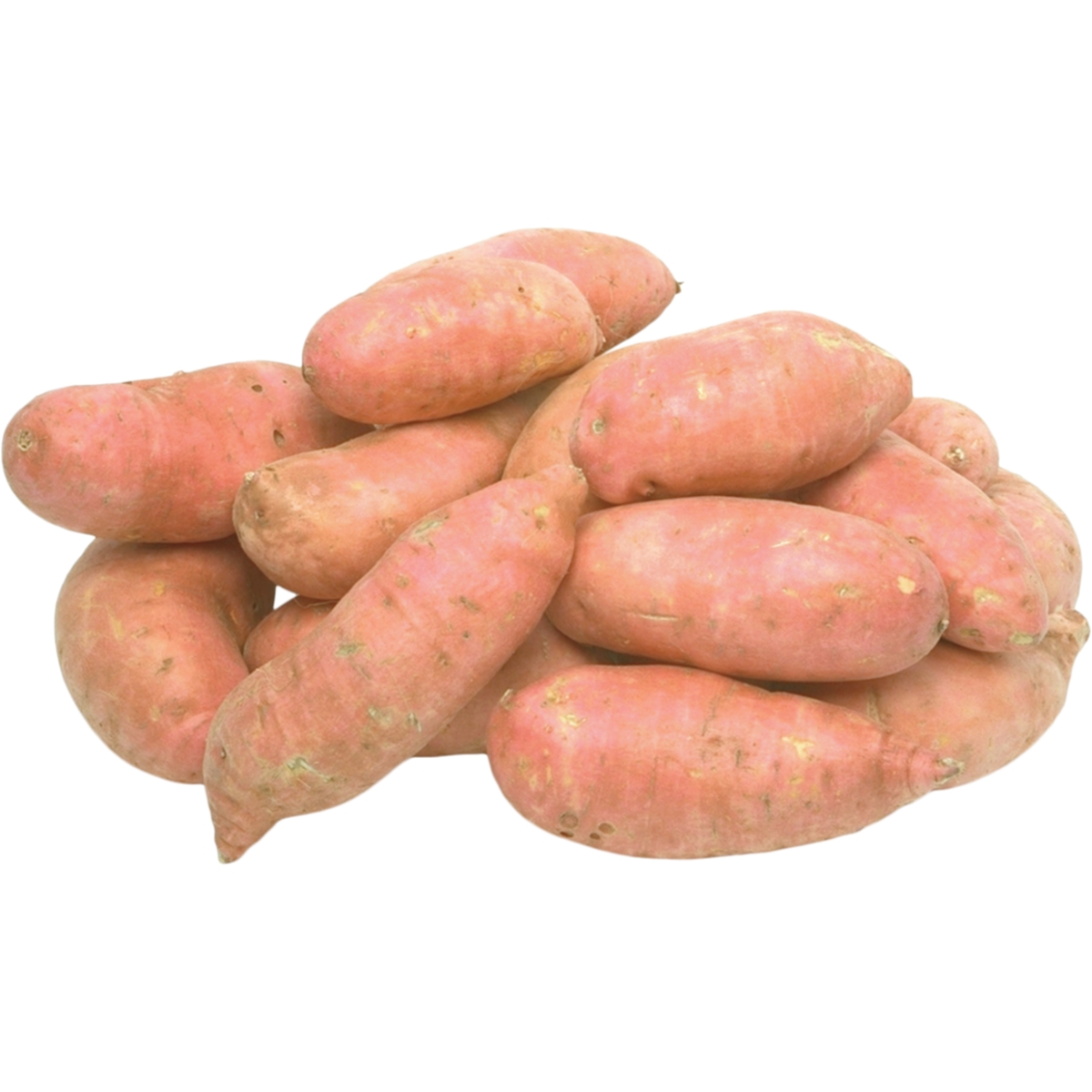
- Best deal this week: Sweet Potato at Superstore — $1.10 (68.2% off regular)
- Switching to the optimal store saves shoppers ~$0.94/week vs the most expensive option
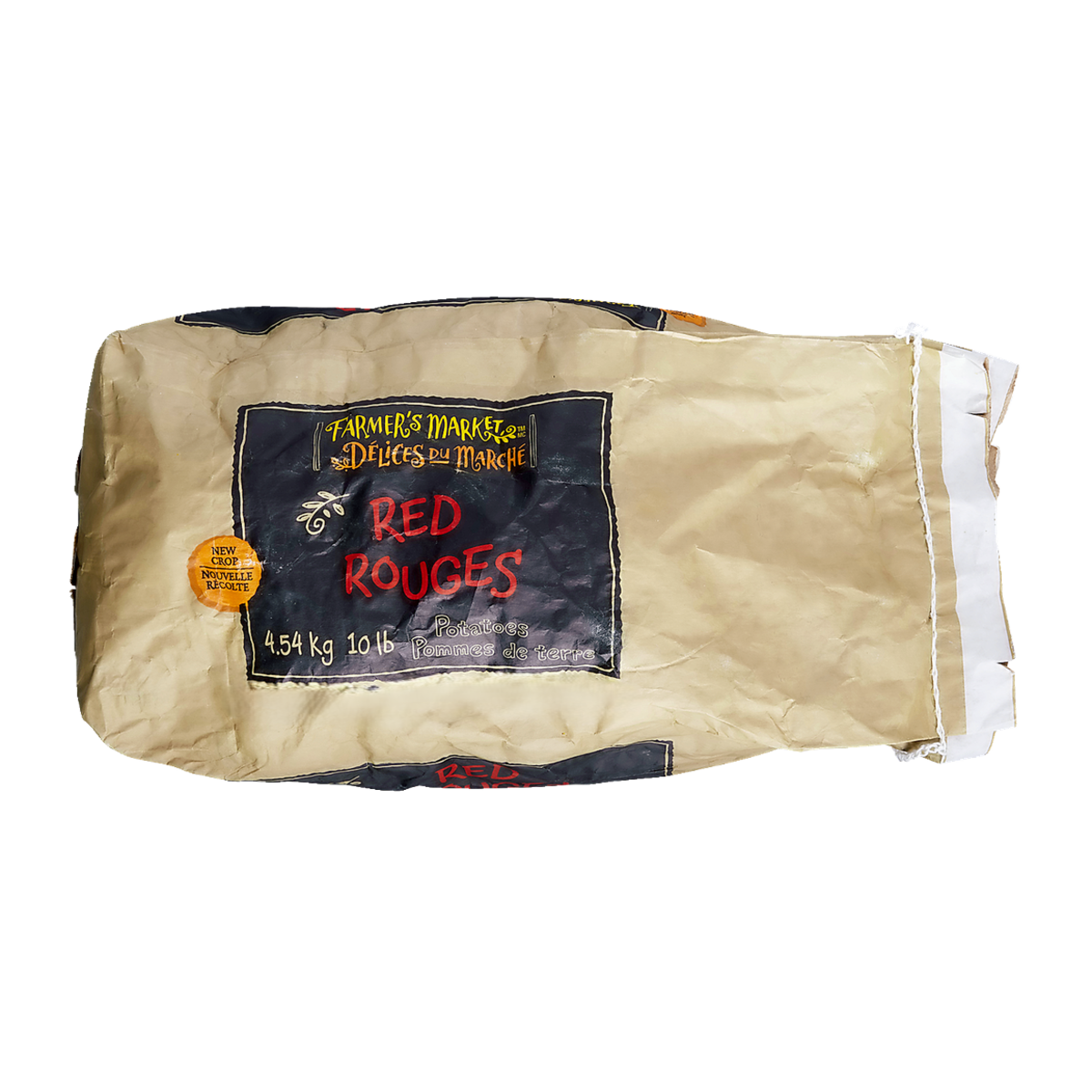
- Headline anchor for this plan: Red Potatoes, 10 lb Bag (Farmer’s Market) — $5.99 at No Frills
- Last verified: April 2026 via eezly's real-time pricing database
This guide is intentionally not a fully costed grocery list. Instead, it is a price-proof meal-plan framework that uses the specific items and prices available in the April 2026 dataset for Saskatoon. The focus is on decision-making: what to buy, where to buy it, and how to turn a handful of discounted vegetables and starchy bases into a week of repeatable meals.
What is actually inexpensive in Saskatoon (April 2026 snapshot)
Saskatoon’s most useful price gaps in the available data show up in vegetables and starchy staples. That matters because vegetables are where budgets often break: they can be pricey out of season, spoil quickly, and feel “optional” when money is tight.A practical solution is to build the week around:
1) one low-cost starchy base that works in many recipes,
2) one alternate starchy base for variety,
3) one or two long-lasting vegetables, and
4) one or two fast-cooking greens for quick meals.
In this dataset, those roles line up cleanly:
- Primary base: Red Potatoes, 10 lb bag — $5.99 at No Frills (Farmer’s Market)
- Alternate base: Sweet Potato — $1.10 at Superstore
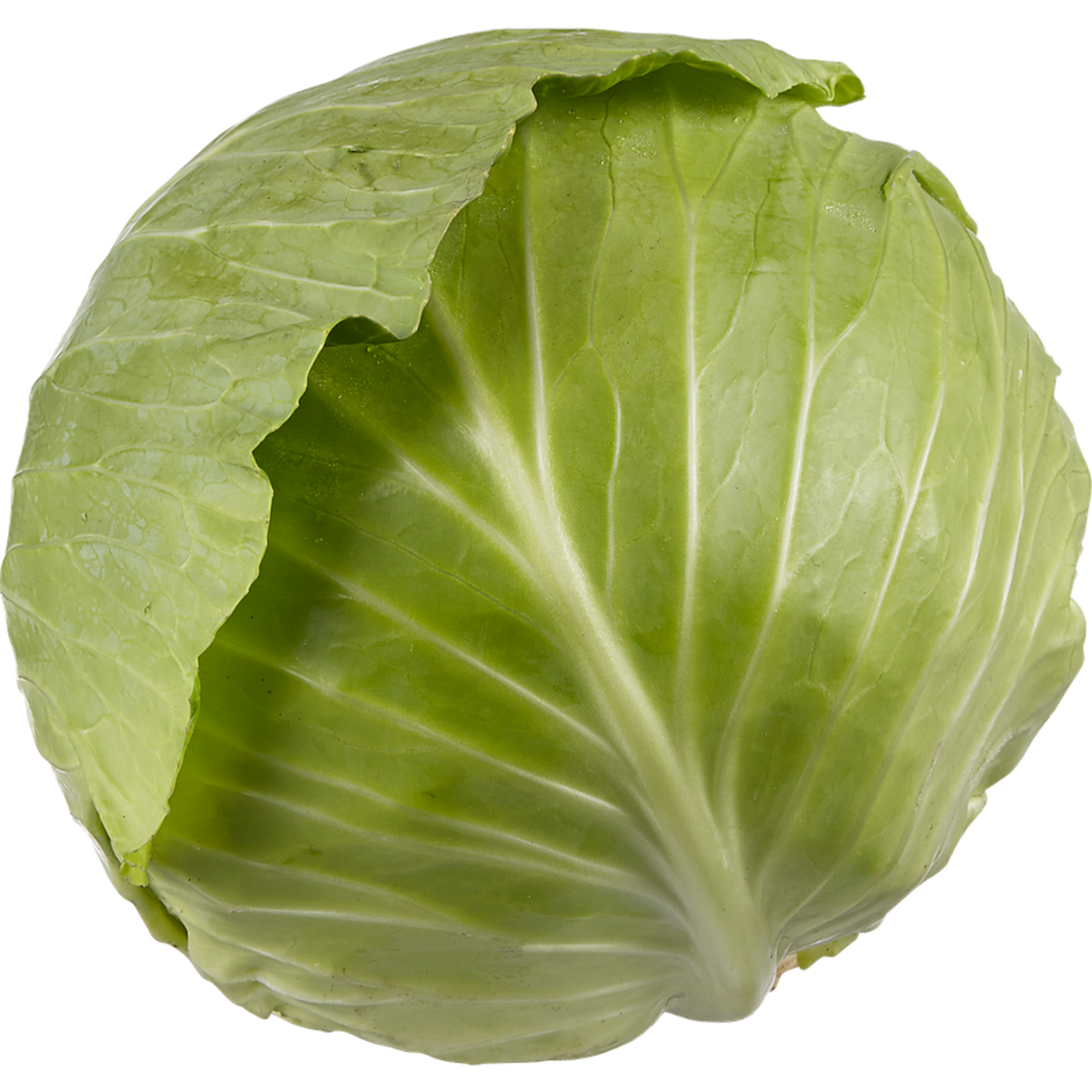
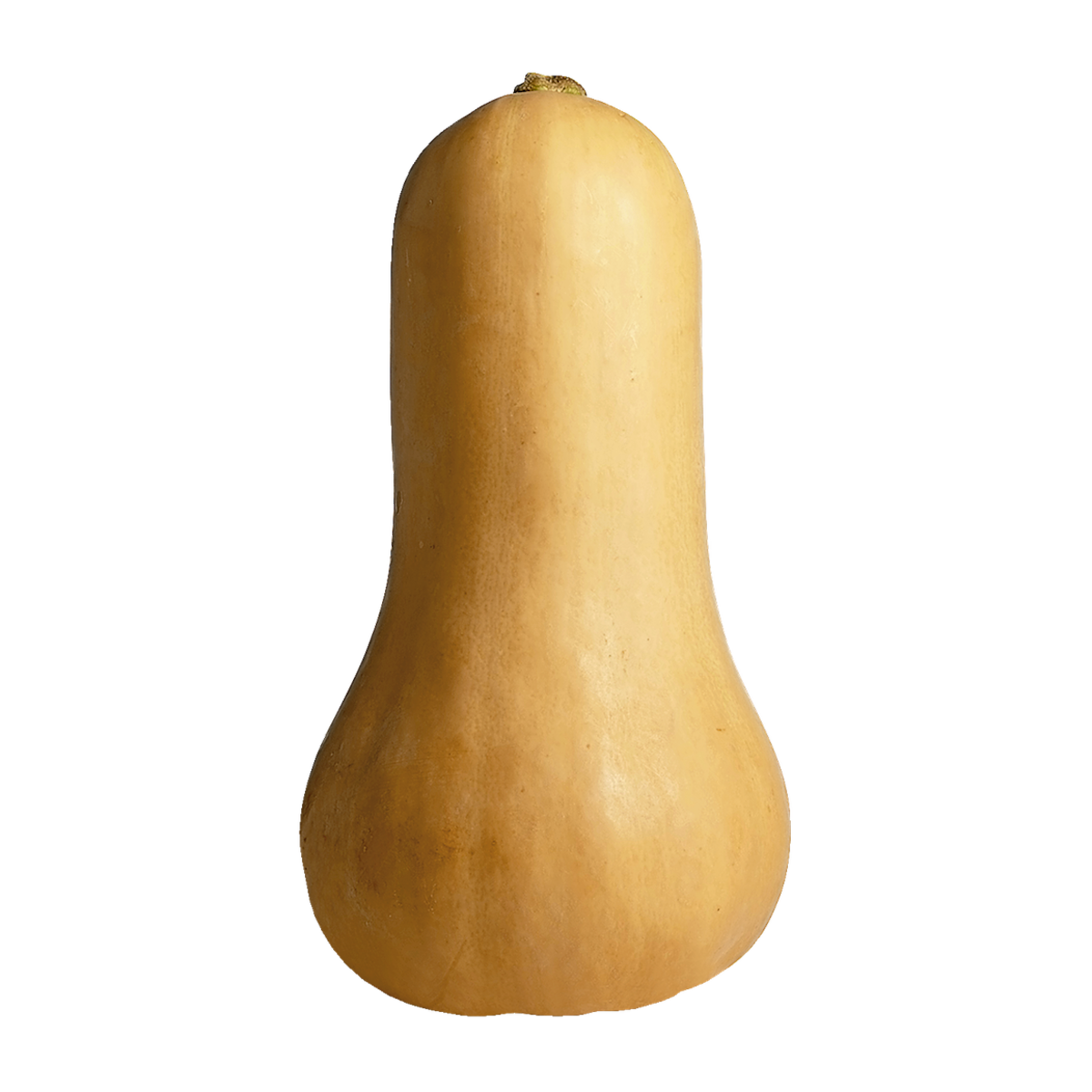
- Long-lasting vegetables: Cabbage, Green — $2.86 at Superstore; Butternut Squash — $5.28 at Superstore
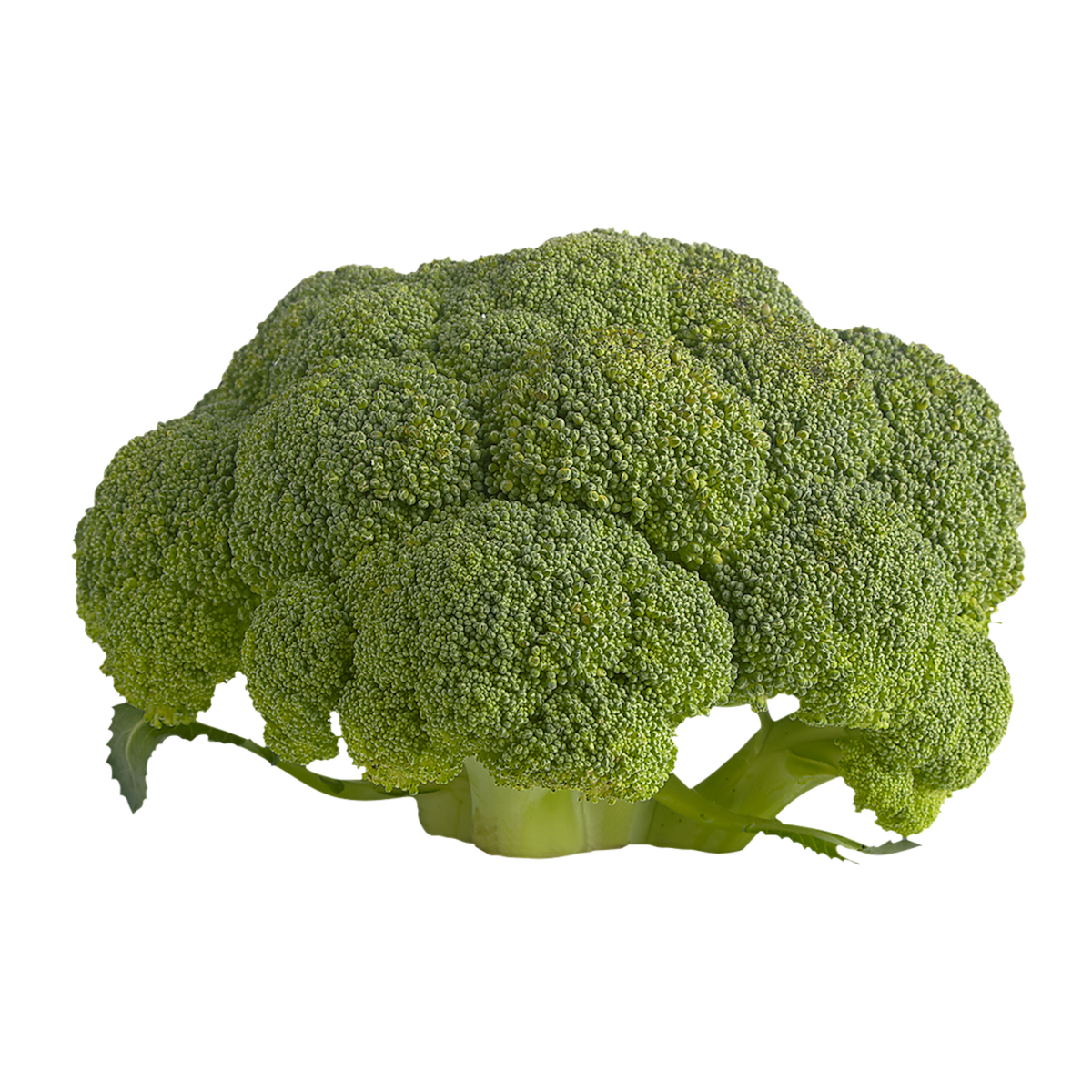
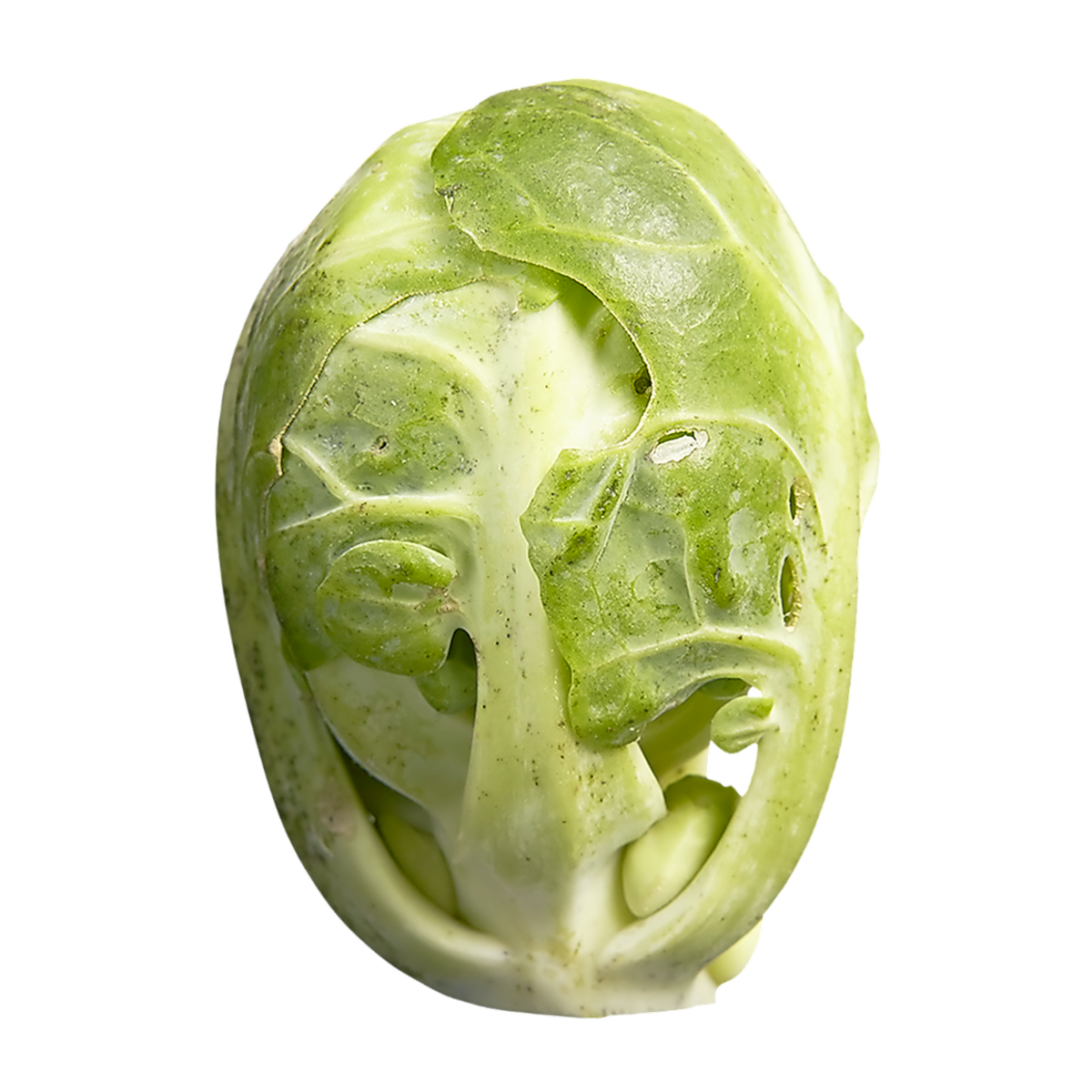
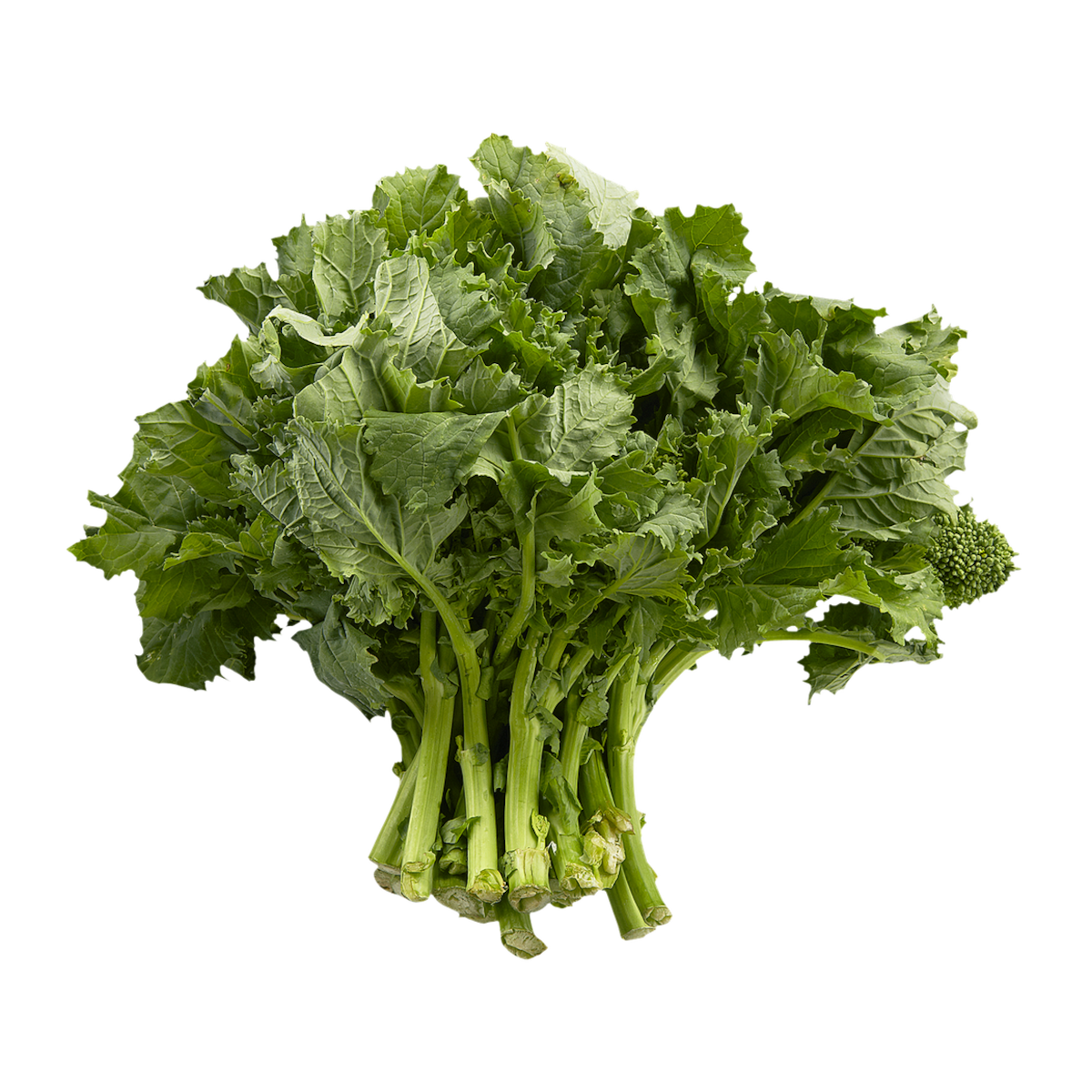
- Fast-cooking greens: Brussels Sprouts — $0.66 at No Frills; Broccoli Crowns (By Weight) — $1.67 at No Frills; Rapini — $2.99 at No Frills
eezly’s store-by-store visibility is most useful here as a routing tool rather than a single “best store” verdict. No Frills appears strongest on several greens in this snapshot, while Superstore holds the lowest observed price for sweet potatoes and lists solid values for cabbage and butternut squash.
Store routing: where each tracked item is cheapest
Not every item appears at both stores in the dataset, so the comparison below is a partial “basket index” based only on what is present. It is still actionable: it shows how to plan a two-stop trip that keeps the week’s foundations inexpensive.Basket Index (No Frills vs Superstore)
| Staple (as listed) | No Frills price (CAD) | Superstore price (CAD) | Cheapest store (in dataset) |
|---|---|---|---|
| Broccoli Crowns (By Weight) | $1.67 | — | No Frills |
| Brussels Sprouts | $0.66 | — | No Frills |
| Rapini | $2.99 | — | No Frills |
| Red Potatoes, 10 lb Bag (Farmer’s Market) | $5.99 | — | No Frills |
| Sweet Potato | — | $1.10 | Superstore |
| Cabbage, Green | — | $2.86 | Superstore |
| Butternut Squash | — | $5.28 | Superstore |
Source: eezly real-time price tracking, as of April 2026
What this table means for a real week of meals
- A shopper who goes to one store only can still build the plan, but the best mix comes from splitting purchases: greens and the potato bag at No Frills, then sweet potatoes, cabbage, and squash at Superstore.
- The meal plan remains simple even with two stores because the items are highly versatile and overlap across recipes.
- Price consistency matters more than “perfect optimization.” The point is to lock in a cheap base (potatoes) and a few discounted vegetables so the rest of the meals can be built from pantry proteins (beans, eggs, canned fish, chicken, tofu) without requiring additional expensive sides.
Deal quality: how much each discount matters
Not every listing includes a regular price, but the dataset does provide regular prices for the items below. Using the standard formula:
Savings % = (Regular − Sale) / Regular
the discounts become clearer, especially on sweet potatoes and Brussels sprouts.
Top Deals (sale vs regular, with savings)
| Product | Sale price (CAD) | Regular price (CAD) | Savings % | Store |
|---|---|---|---|---|
| Brussels Sprouts | $0.66 | $1.32 | 50.0% | No Frills |
| Sweet Potato | $1.10 | $3.46 | 68.2% | Superstore |
| Broccoli Crowns (By Weight) | $1.67 | $2.50 | 33.2% | No Frills |
| Cabbage, Green | $2.86 | $4.40 | 35.0% | Superstore |
| Butternut Squash | $5.28 | $8.10 | 34.8% | Superstore |
| Rapini | $2.99 | $3.49 | 14.3% | No Frills |
Source: eezly real-time price tracking, as of April 2026
How to use savings data in a meal plan
A meal plan does not need every ingredient to be on a steep discount. It needs a few core items that are reliably cheap per serving. In this snapshot:- Sweet potatoes are the steepest percentage discount (68.2%), useful for variety when the household gets tired of regular potatoes.
- Brussels sprouts are the standout low price in absolute terms, ideal for rounding out meals when protein is expensive.
- Cabbage and butternut squash are meaningful discounts and have strong storage life, which reduces food waste.
The $5.99 10‑lb potatoes strategy for a full week of meals
A 10 lb (4.54 kg) bag of red potatoes is a classic budget anchor because it delivers three benefits at once: 1) it is filling and versatile, 2) it pairs with almost any protein or vegetable, and 3) it stores well, which lowers the odds of throwing food away.Why red potatoes work especially well in April
Early spring can be unpredictable for produce quality and pricing. Potatoes help stabilize the week because they:- can be cooked multiple ways without changing the shopping list,
- can stretch pricier mains by acting as a substantial side or bowl base,
- can be repurposed into breakfasts and lunches so leftovers do not feel repetitive.
Core cooking methods that multiply options
A single bag can support many “formats,” which is what makes a meal plan feel varied:
- Roast: wedges or halved potatoes, oil, salt, and any pantry spices.
- Mash: a bulk side that pairs with sautéed greens or roasted squash.
- Hash: diced potatoes pan-fried for breakfast; add leftover vegetables.
- Soup thickener: potatoes add body without cream.
- Sheet-pan base: potatoes plus one vegetable creates an easy dinner template.
A simple weekly rhythm (low effort, low waste)
- Day 1 prep: roast a large tray of potatoes for quick meals.
- Midweek: cook a second batch differently (mash or soup) to avoid boredom.
- Keep some raw: for hash and quick side dishes later in the week.
Build a Saskatoon week: the “modules” approach (priced items only)
The sections below are self-contained building blocks. Each uses the tracked items as the foundation, then assumes basic pantry staples (oil, salt, pepper, garlic powder, vinegar, broth, rice, pasta, canned beans, eggs, or a chosen protein). Those pantry items are intentionally not priced here because the dataset provided is limited to the produce items and the potato bag.Module 1: Red potato + Brussels sprouts (the lowest-cost fast dinner base)
Priced items used:- Red Potatoes, 10 lb bag — $5.99 (No Frills)
- Brussels Sprouts — $0.66 (No Frills)
Three ways to use the same pair
1) Sheet-pan roast: halved potatoes + Brussels sprouts on one tray.
2) Warm bowl: mashed potatoes topped with sautéed Brussels sprouts.
3) Hash: diced cooked potatoes crisped in a pan, then toss in sprouts.
Leftover logic: roast extra potatoes so the hash version takes minutes the next day.
Module 2: Potato + broccoli crowns (quick, familiar, and flexible)
Priced items used:- Broccoli Crowns (By Weight) — $1.67 (No Frills)
- Red Potatoes, 10 lb bag — $5.99 (No Frills)
Best uses
- Roasted broccoli and potatoes: same tray, different cook time (add broccoli later).
- Potato-broccoli soup base: potatoes thicken; broccoli adds color and nutrition.
- Meal prep bowls: roasted potatoes, steamed broccoli, and a protein from the pantry.
Module 3: Sweet potato rotation (variety without buying bread or wraps)
Priced items used:- Sweet Potato — $1.10 (Superstore)
High-utility preparations
- Roast coins or wedges: add to bowls or eat as a side.
- Mash: pairs well with greens like rapini or Brussels sprouts.
- Breakfast base: sweet potato hash with eggs or beans (pantry).
Module 4: Cabbage as the long-lasting workhorse
Priced item used:- Cabbage, Green — $2.86 (Superstore)
Easy applications
- Quick sauté: cabbage ribbons with oil, salt, and pepper.
- Slaw-style side: shredded cabbage with vinegar and a little oil.
- Add to soups: cabbage increases volume and makes soups more satisfying.
Module 5: Butternut squash for “built-in leftovers”
Priced item used:- Butternut Squash — $5.28 (Superstore)
Two high-leverage approaches
- Roast a whole squash: use it across several meals (bowls, sides, soups).
- Mash and portion: freeze or refrigerate to reduce weekday cooking.
- Roast squash alongside potatoes for a two-starch tray (useful when feeding bigger households).
- Add roasted squash to cabbage for a sweet-savory side.
Module 6: Rapini for quick “grown-up” flavor
Priced item used:
- Rapini — $2.99 (No Frills)
Simple uses
- Sauté and serve over mashed potatoes: pantry garlic and oil do most of the work.
- Add to bowls: roasted potatoes plus rapini plus a protein.
- Side for sweet potato mash: balances sweetness with bitterness.
A practical 7-day meal-plan framework (repeatable, not rigid)
This framework is designed for households that want structure without locking into exact recipes. It assumes one or two basic pantry proteins and seasonings.
Day 1: Set up the week
- Roast a large tray of red potatoes (some extra for leftovers).
- Roast or sauté Brussels sprouts.
Day 2: Broccoli night
- Use leftover roasted potatoes as the base.
- Add broccoli crowns (steam or roast quickly).
Day 3: Sweet potato rotation
- Roast or mash sweet potatoes.
- Add a fast green (Brussels sprouts or rapini).
Day 4: Cabbage day (fresh or cooked)
- Make a cabbage sauté or slaw-style side.
- Pair with potatoes (roasted or mashed).
Day 5: Squash batch-cook
- Roast butternut squash and reserve leftovers.
Day 6: Leftover bowls
- Build bowls using roasted potatoes, leftover squash, and whichever green is available (broccoli, rapini, sprouts).
- Add pantry protein.
Day 7: Soup or hash to clear the fridge
- Make a potato-thickened soup using cabbage and any remaining vegetables, or
- Make a mixed-veg potato hash.
Two-store game plan: how to shop this week without overbuying
This plan can work with one store, but the dataset points to a clear division of strengths.If shopping both stores (best value routing)
- No Frills: Red Potatoes 10 lb bag ($5.99), Brussels sprouts ($0.66), broccoli crowns ($1.67), rapini ($2.99)
- Superstore: Sweet potatoes ($1.10), green cabbage ($2.86), butternut squash ($5.28)
If shopping only No Frills
The plan still functions because the potato bag is the anchor and the greens are strong values. The missing pieces are sweet potatoes, cabbage, and squash from the dataset, so variety may come from pantry or whatever is on special in-store.
If shopping only Superstore
Sweet potatoes and long-lasting vegetables are available, but the signature 10 lb red potato bag and the deep-value greens listed here are not part of the provided snapshot. The plan becomes more dependent on buying alternative greens at whatever price is available that week.What the numbers imply: affordability comes from repeatable foundations
The key conclusion from this April 2026 Saskatoon snapshot is that cost control comes from a small set of flexible staples:- One cheap, versatile starch (red potatoes)
- One discounted alternate starch (sweet potatoes)
- Long-lasting vegetables (cabbage, squash)
- Fast greens (Brussels sprouts, broccoli, rapini)
This is also why using eezly as a weekly check-in tool works well: it is less about chasing every deal and more about locking in a few high-utility items that make the whole week cheaper and easier.
Price-proofing tips for Saskatoon shoppers (April conditions)
Prioritize storage life to reduce waste
- Potatoes, cabbage, and squash typically hold longer than delicate greens. Buy them first, then add fast greens in smaller quantities.
Cook once, eat twice (without repeating the same plate)
- Roast potatoes once, then use them as mash, hash, and soup base later. Changing the format changes the meal experience.
Use the “one tray, two veg” method
- A single sheet pan can handle potatoes plus Brussels sprouts or broccoli. This reduces time and increases the odds of sticking to the plan.
Keep a small “flavor kit” in the pantry
Even without pricing pantry items, the plan benefits from basics like vinegar, broth, spices, and oil. Those turn low-cost vegetables into meals that do not feel repetitive.
Featured Deals
Comparison
| Metric | Value | Notes |
|---|---|---|
| City | Saskatoon, Saskatchewan | Programmatic location page target: “meal plan Saskatoon” |
| Cheapest anchor deal | $5.99 red potatoes (10 lb) | nofrills; regular $8.99 |
| Best single veg markdown | $1.10 sweet potato | superstore; regular $3.46 (68% off) |
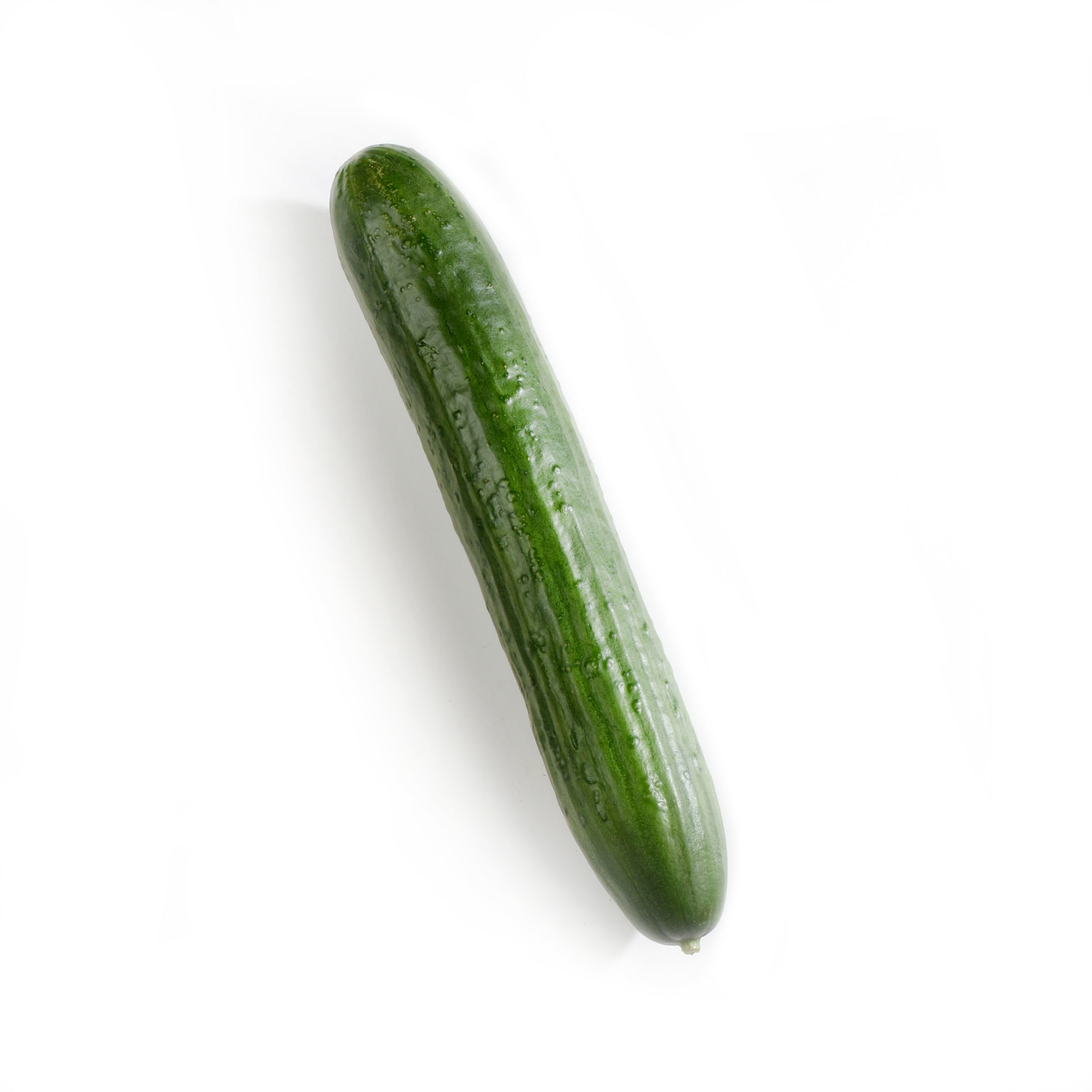
| Cheapest single cucumber | $1.79 English cucumber | FreshCo; regular $2.49 |
| Data source | eezly live pricing database | As of April 2026 |
Frequently Asked Questions
What is the best Saskatoon grocery deal in April 2026 based on eezly data?
In the provided April 2026 snapshot, the best deal by savings percentage is **Sweet Potato at Superstore for $1.10**, discounted from a **$3.46** regular price, which equals **68.2% off** (Source: eezly real-time price tracking, as of April 2026).
Where can shoppers find the $5.99 10‑lb bag of red potatoes in Saskatoon?
The dataset lists **Red Potatoes, 10 lb Bag (Farmer’s Market) for $5.99 at No Frills** in Saskatoon for April 2026 (Source: eezly real-time price tracking, as of April 2026).
Which store is cheaper for greens in this Saskatoon snapshot?
In this dataset, **No Frills** lists the lowest prices for the tracked greens: **Brussels sprouts ($0.66)**, **broccoli crowns by weight ($1.67)**, and **rapini ($2.99)** (Source: eezly real-time price tracking, as of April 2026).
Which vegetables in this plan last the longest in the fridge?
Based on the items in the snapshot, the longest-lasting options are typically **red potatoes (10 lb bag)**, **green cabbage ($2.86 at Superstore)**, and **butternut squash ($5.28 at Superstore)**, which are well-suited to a weeklong meal plan (Source: eezly real-time price tracking, as of April 2026).
How much can switching stores save using only the items in this dataset?
Using a simple “standard basket” made from items unique to each store in the snapshot, No Frills totals **$11.31** (potatoes $5.99 + broccoli $1.67 + Brussels sprouts $0.66 + rapini $2.99) while Superstore totals **$12.25** (sweet potato $1.10 + cabbage $2.86 + butternut squash $5.28). That difference is **$0.94** in favor of No Frills for that partial basket (Source: eezly real-time price tracking, as of April 2026).


