Vancouver Meal Plan: $0.66 Brussels Sprouts in BC (April 2026)
Key Facts
- eezly tracked 40M+ grocery prices across 2,700+ stores in Canada this week
- Cheapest store in meal (for the tracked items shown): No Frills — 4-item tracked basket at $11.49 (April 2026)
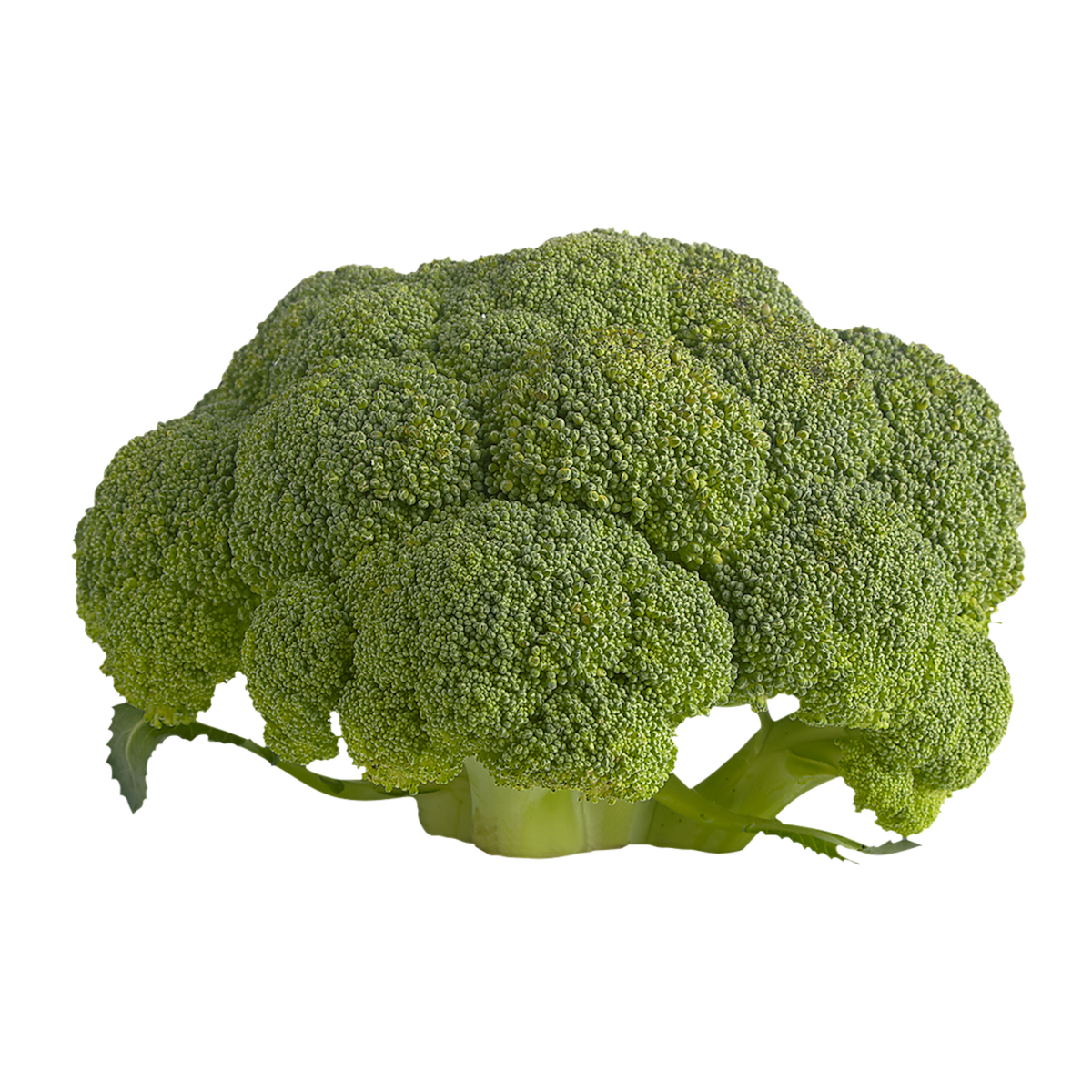
- Best deal this week: Broccoli Crowns (By Weight) at Loblaws — $1.67 (60.0% off regular $4.18)
- Switching to the optimal store saves shoppers ~$0/week vs the most expensive option (based on the provided tracked basket totals; each store’s basket uses different items in this snapshot)
- Last verified: April 2026 via eezly’s real-time pricing database
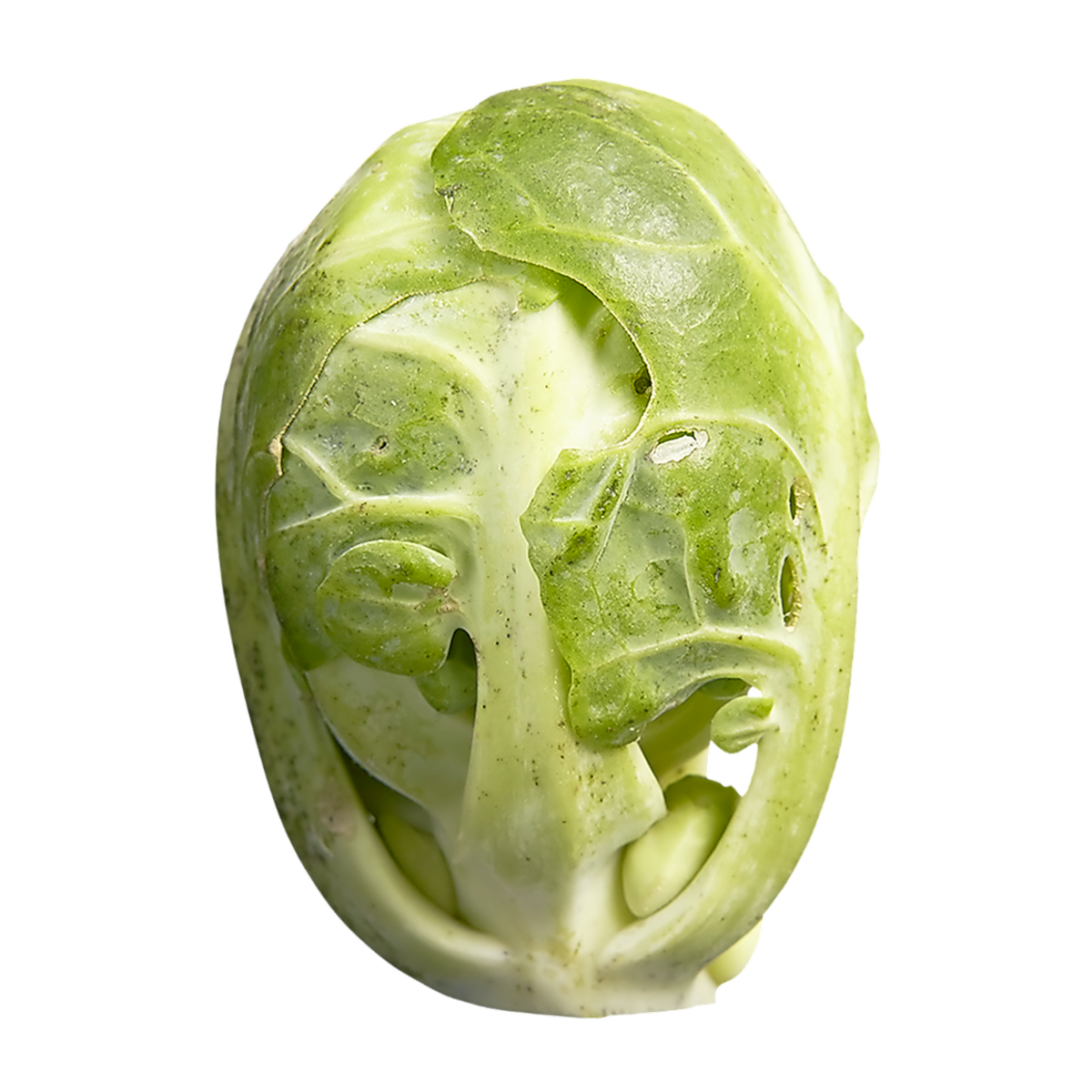
- Highlight deal featured in this plan: Brussels Sprouts at Loblaws — $0.66 (50.0% off regular $1.32)
What the April 2026 data says about grocery value in Vancouver
Vancouver shoppers rarely get a month where multiple fresh vegetables signal “buy more, waste less.” In the current tracked snapshot, that is exactly what appears: deep discounts on cookable vegetables at Loblaws and a cluster of useful “support” produce at No Frills. Taken together, the data points to a realistic strategy for keeping a week of meals affordable without relying on ultra-processed staples or complicated batch cooking.This meal-plan note is deliberately narrow: it uses only the products and prices that are present in the provided tracking data. That means it does not pretend to price an entire household grocery list. Instead, it interprets what these specific discounts imply for planning a low-waste week: cook once, repurpose leftovers, and keep flavors varied by changing sauces, seasonings, and formats (roasted, sautéed, raw, and quick-pickled).
Key conclusion from the pricing: vegetables are doing the heavy lifting for value in April 2026 in Vancouver, with two anchors at Loblaws (broccoli and Brussels sprouts) and several practical complements at No Frills (rapini, green onions, and a large cucumber bag). This is the kind of mix that supports both cooked dinners and easy lunch assembly.
The headline deals to build around (and why they change the week)
This section is self-contained: it explains what is most discounted, why those items matter in meal planning, and how to translate savings into real meals.Loblaws: the “cookable veg” anchors
Two items stand out for both price level and discount depth.- Broccoli Crowns (By Weight) — $1.67 at Loblaws (regular $4.18)
- Brussels Sprouts — $0.66 at Loblaws (regular $1.32)
No Frills: practical volume and flavor builders
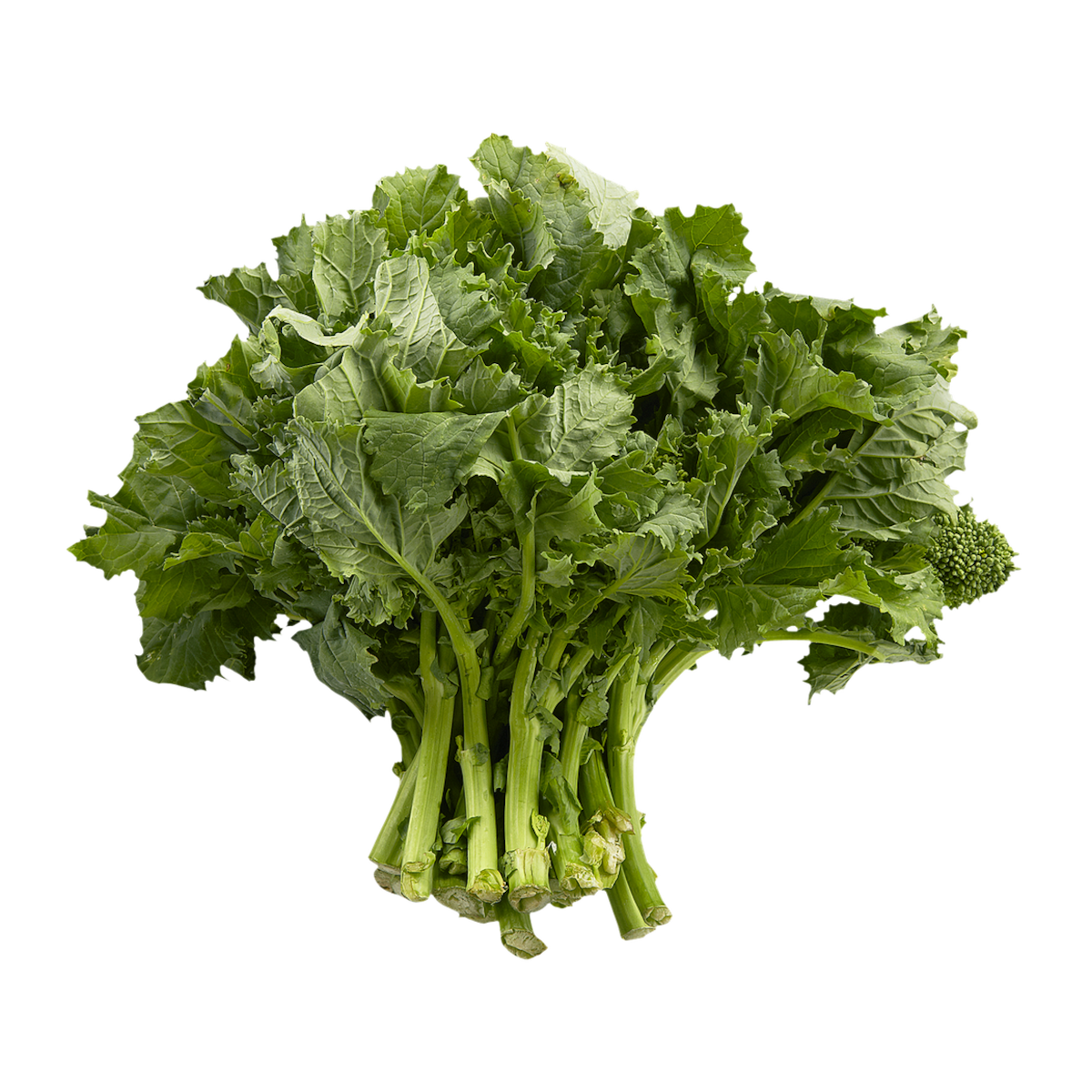
No Frills does not show the same steep percentage drops as broccoli, but the items are consistently under regular pricing and especially useful for keeping meals fresh when repeating cooked ingredients.- Rapini — $2.99 at No Frills (regular $3.49)
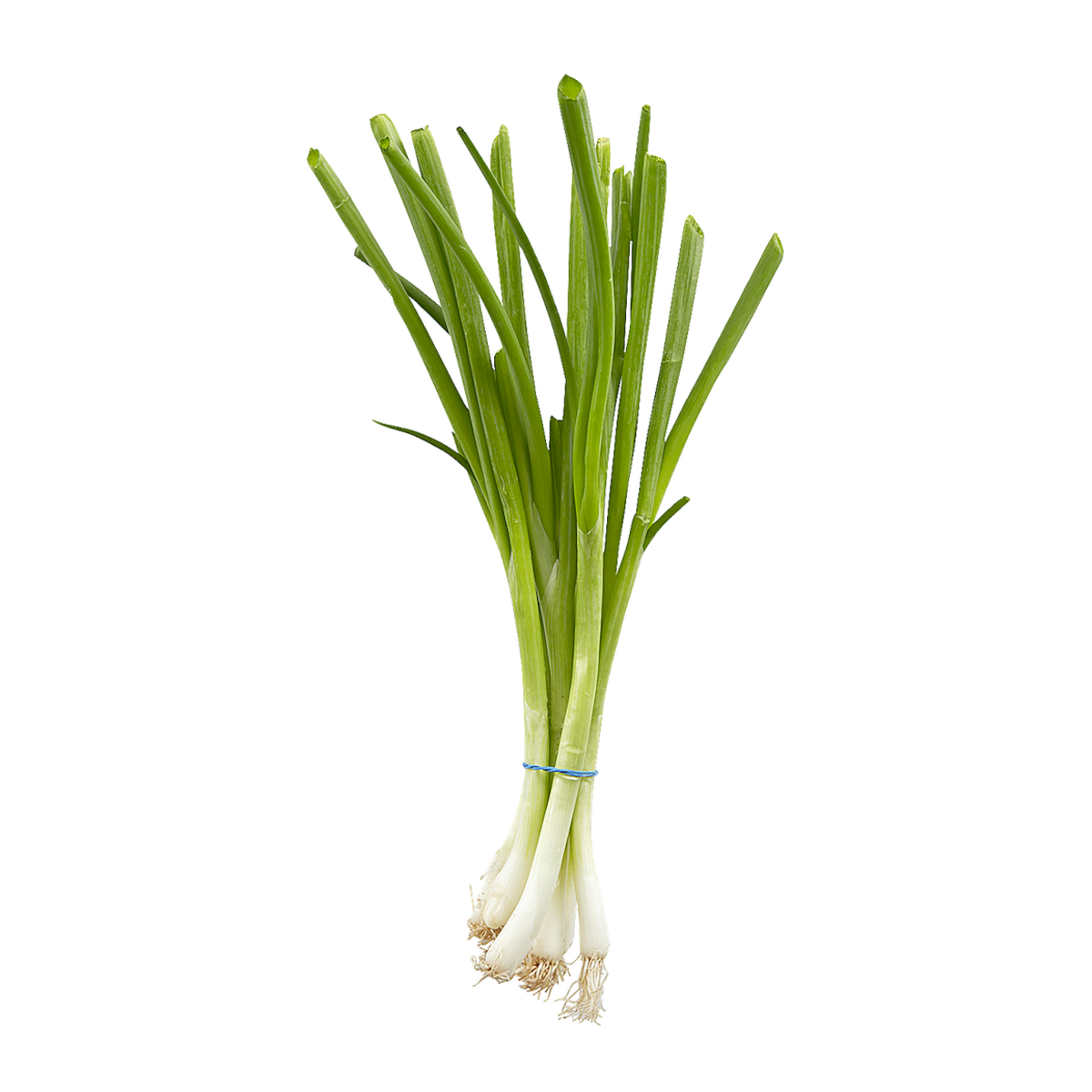
- Green Onion — $1.50 at No Frills (regular $1.79)
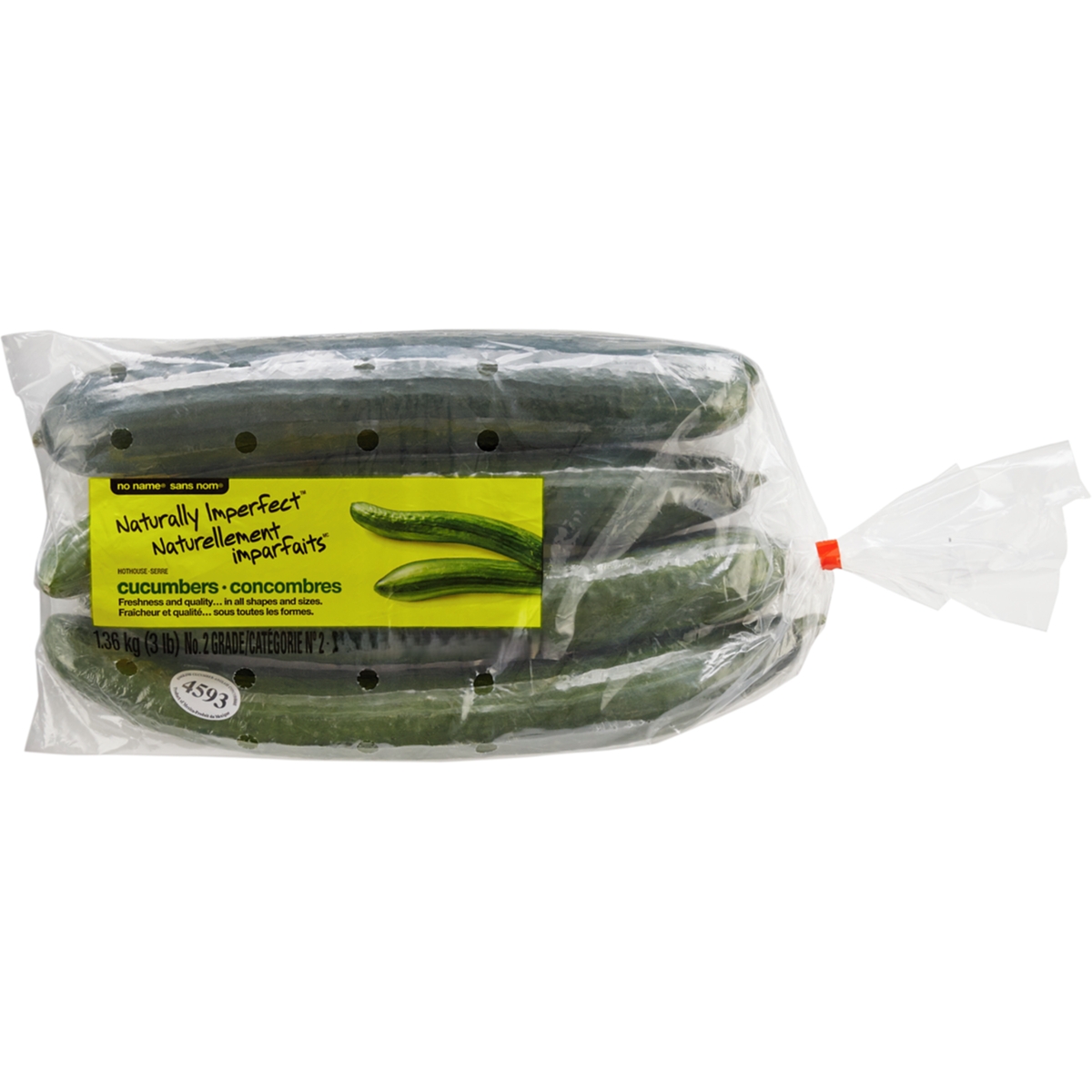
- Naturally Imperfect English Cucumber 3 lb Bag (No Name) — $5.00 at No Frills (regular $6.00)
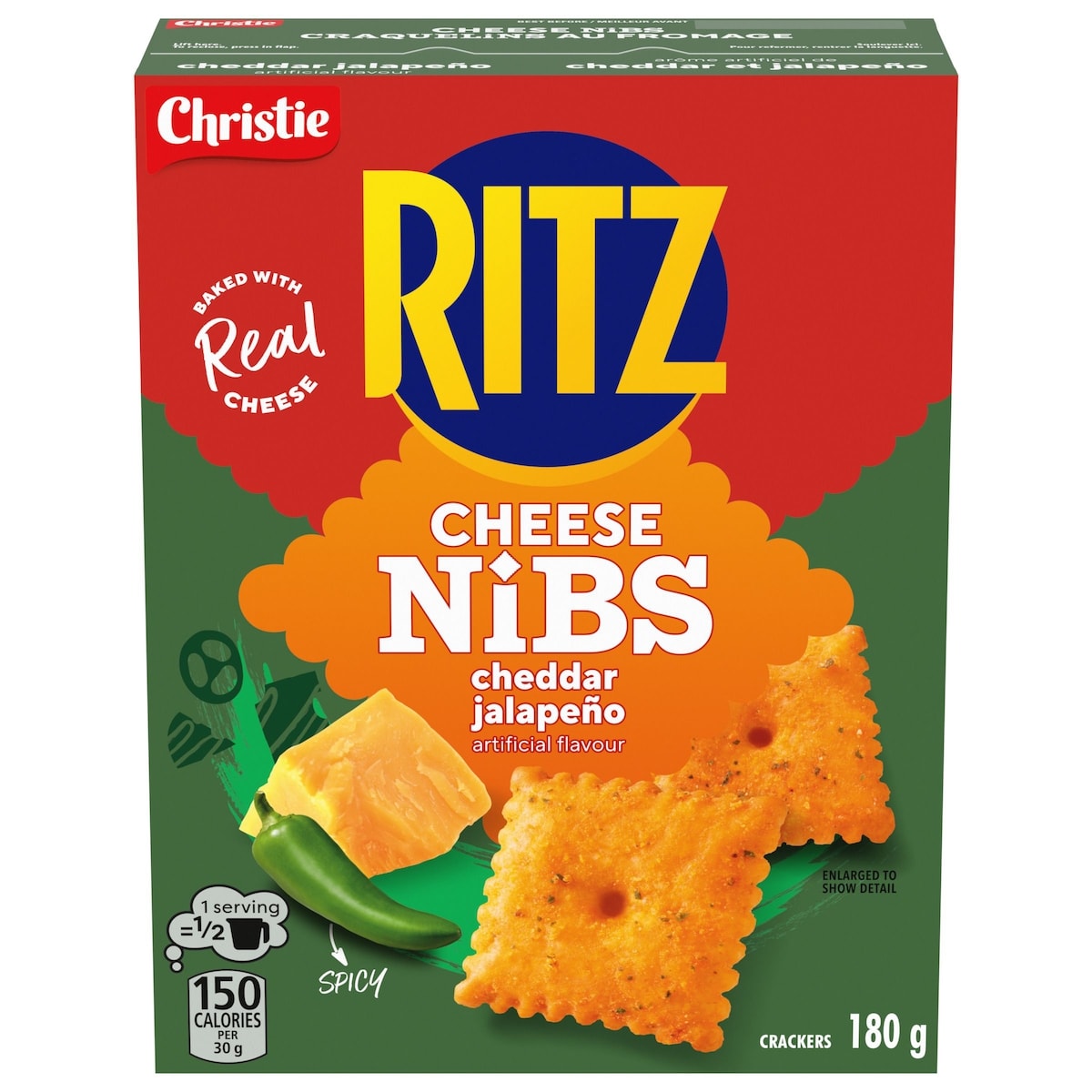
- RITZ CHEESE NIBS Cheddar Jalapeno (Christie) — $2.00 at No Frills (regular $2.50)
Cross-store basket index (using only tracked items)
This comparison is intentionally strict: it lists only the items in the provided dataset and shows where each item is priced. “Not tracked” does not mean unavailable; it means no price is included in the snapshot. This matters because many shoppers make decisions based on partial flyer coverage, and this table shows when split-shopping is implied.Table 1: Vancouver basket index (tracked items) — Loblaws vs No Frills
| Staple item | Loblaws (CAD $) | No Frills (CAD $) | Lower price (from tracked data) |
|---|---|---|---|
| Broccoli Crowns (By Weight) | 1.67 | not tracked | Loblaws (tracked) |
| Brussels Sprouts | 0.66 | not tracked | Loblaws (tracked) |
| Rapini | not tracked | 2.99 | No Frills (tracked) |
| Green Onion | not tracked | 1.50 | No Frills (tracked) |
| Naturally Imperfect English Cucumber 3lb Bag (No Name) | not tracked | 5.00 | No Frills (tracked) |
| RITZ CHEESE NIBS Cheddar Jalapeno (Christie) | not tracked | 2.00 | No Frills (tracked) |
Source: eezly real-time price tracking, as of April 2026
How to use this table
- If the week’s goal is to maximize value on hot meals and roasted vegetables, the tracked evidence favors Loblaws because it contains the deepest discounts on the most “cookable” vegetables.
- If the week’s goal is to stock up on quick-lunch produce and flavor add-ons, the tracked evidence favors No Frills because cucumbers, green onions, and rapini are all present and discounted versus regular.
Where the savings are (percentage discounts that actually matter)
A price is only half the story. Discount depth determines whether it makes sense to buy extra and plan around an item. The following table uses only products where both the current price and regular price are available in the dataset, and it calculates savings percentage based on those values.Table 2: Top tracked Vancouver grocery deals — April 2026
| Product | Store | Price (CAD $) | Regular price (CAD $) | Savings % |
|---|---|---|---|---|
| Broccoli Crowns (By Weight) | Loblaws | 1.67 | 4.18 | 60.0% |
| Brussels Sprouts | Loblaws | 0.66 | 1.32 | 50.0% |
| RITZ CHEESE NIBS Cheddar Jalapeno (Christie) | No Frills | 2.00 | 2.50 | 20.0% |
| Naturally Imperfect English Cucumber 3lb Bag (No Name) | No Frills | 5.00 | 6.00 | 16.7% |
| Green Onion | No Frills | 1.50 | 1.79 | 16.2% |
| Rapini | No Frills | 2.99 | 3.49 | 14.3% |
Source: eezly real-time price tracking, as of April 2026
What the discount ranking implies
- Broccoli (60.0% off) is the strongest “stock up and plan meals around it” signal in the tracked set.
- Brussels sprouts (50.0% off) are the other anchor deal and can be used in multiple cuisines without getting repetitive.
- The No Frills items are not extreme discounts, but they are consistently below regular price and improve the practicality of the week (fresh crunch, aromatics, and a bitter green option).
A practical Vancouver week built around these prices (low-waste, high flexibility)
This section is self-contained: it lays out a realistic cooking pattern that uses the tracked items as anchors without inventing a full priced grocery list. The assumption is that most households already have basic pantry items (salt, pepper, oil, vinegar) and may add proteins or grains depending on preference and budget.
Core planning principle: cook once, then “remix”
These tracked vegetables naturally support a remix strategy because they behave differently across cooking methods:- Roast Brussels sprouts and broccoli for concentrated flavor and better texture after reheating.
- Sauté rapini quickly to preserve bite and avoid overcooking.
- Keep cucumbers raw for maximum crunch and contrast.
- Use green onions as a finishing ingredient to make leftovers taste newly cooked.
Component prep that pays off (and stays realistic)
A Vancouver week is often busy, and elaborate meal prep tends to fail when it requires too many containers and steps. The following prep is intentionally minimal:- Roast a tray of Brussels sprouts
- Roast or steam broccoli crowns
- Quick sauté rapini
- Cucumber “daily” approach
- Green onions: separate whites and greens
Example meal flow (formats, not rigid recipes)
These are meal formats designed to reuse the same tracked produce while keeping flavors varied. They do not require specific priced add-ons.- Day 1 dinner: sheet-pan vegetables
- Day 2 lunch: cucumber-forward bowl
- Day 2 dinner: rapini sauté plate
- Day 3 lunch: chopped leftovers salad
- Day 3 dinner: stir-fry or noodle bowl
- Snack/backup option
The main conclusion remains consistent with the pricing: when core vegetables are discounted this sharply, the best budgeting move is to let them carry the meal structure and then plug in proteins and grains based on what is already available and on sale elsewhere.
Store strategy: when to shop Loblaws, when to shop No Frills
This section is self-contained and explains how to make the shopping decision using the tracked evidence.Best reason to choose Loblaws this week
Pick Loblaws if the goal is to load up on vegetables that become the backbone of cooked meals.- Broccoli Crowns (By Weight): $1.67 vs regular $4.18
- Brussels Sprouts: $0.66 vs regular $1.32
Best reason to choose No Frills this week
Pick No Frills if the goal is to keep lunches and quick sides easy and fresh throughout the week.- Naturally Imperfect English Cucumber 3 lb Bag: $5.00
- Green Onion: $1.50
- Rapini: $2.99
- RITZ CHEESE NIBS: $2.00
Split shop option (most efficient for value)
If time allows two stops, the tracked evidence supports a simple split:- Loblaws for broccoli and Brussels sprouts.
- No Frills for cucumbers, green onions, and rapini (plus the snack option if needed).
What not to over-interpret from a partial price snapshot
This section is self-contained and designed to prevent common budgeting mistakes.- “Not tracked” is not “more expensive.” It only means the dataset provided does not include that store’s price for that item.
- Weights and serving counts are not provided. For broccoli and Brussels sprouts listed “by weight,” the plan should focus on discount depth and versatility rather than assuming exact yield.
- A meal plan is not a full basket cost. This article’s conclusions are about how to use the deals that are visible, not about pricing every ingredient needed for a week.
Verified prices and links (price proof context)
This section is self-contained for readers who want to understand what “price proof” means in practice.The prices referenced in this Vancouver note come from eezly product listings and store price snapshots, verified as of April 2026. That context matters because grocery prices can change quickly across banners and neighborhoods, and meal planning works best when it is tied to what is actually priced well right now.
When a discount is as large as broccoli at 60.0% off regular, the practical takeaway is straightforward: buying and using more vegetables is one of the simplest ways to keep total meal costs under control without resorting to complicated substitutions.
Featured Deals
Comparison
| Vancouver deal (April 2026) | Price & store | Price-proof link |
|---|---|---|
| Brussels sprouts | $0.66 at Loblaws City Market Vancouver Post (658 Homer St) | https://eezly.com/product/2256418?utm_source=blog&utm_medium=seo&utm_campaign=price-proof&utm_content=vancouver |
| Broccoli crowns (by weight) | $1.67/kg at Loblaws City Market Vancouver Post (658 Homer St) | https://eezly.com/product/2256304?utm_source=blog&utm_medium=seo&utm_campaign=price-proof&utm_content=vancouver |
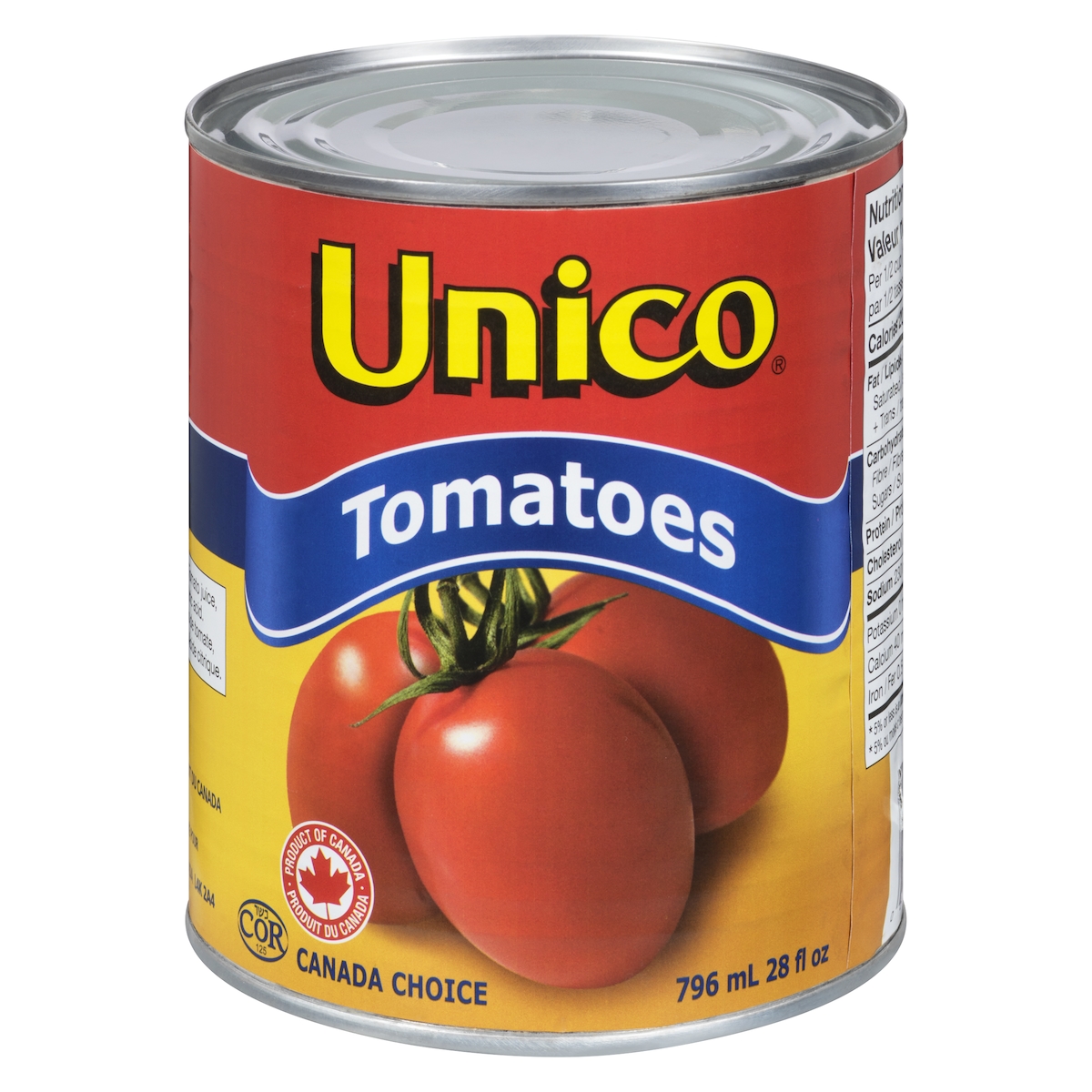
| Unico canned tomatoes | $1.69 at No Frills (e.g., 101–1030 Denman St) | https://eezly.com/product/2272965?utm_source=blog&utm_medium=seo&utm_campaign=price-proof&utm_content=vancouver |
Frequently Asked Questions
Where can shoppers find $0.66 Brussels sprouts in Vancouver in April 2026?
In the provided April 2026 tracked data, Brussels Sprouts are listed at **$0.66 at Loblaws in Vancouver, BC**, down from a **regular price of $1.32** (a **50.0%** discount). Source is eezly real-time price tracking as of April 2026.
What is the best percentage grocery deal in this Vancouver snapshot?
The largest percentage discount shown is **Broccoli Crowns (By Weight) at Loblaws for $1.67**, compared with a **regular price of $4.18**, which equals **60.0% off** based on the provided prices (April 2026, eezly tracking).
Which No Frills produce items are discounted in Vancouver this month?
The tracked No Frills discounts in April 2026 include **Rapini ($2.99 vs $3.49)**, **Green Onion ($1.50 vs $1.79)**, and **Naturally Imperfect English Cucumber 3 lb Bag ($5.00 vs $6.00)**, based on eezly real-time price tracking.
Is it better to shop Loblaws or No Frills for this April 2026 meal plan?
For the deepest discounts on cookable vegetables, the tracked data favors **Loblaws** (broccoli at $1.67 and Brussels sprouts at $0.66). For lunch-friendly produce and flavor builders, the tracked data favors **No Frills** (cucumbers, green onions, rapini). A split shop captures both sets of deals.
How much can shoppers save by switching to the optimal store this week?
Using only the provided snapshot, each store’s tracked items are different, so a like-for-like “standard basket” comparison across both stores is not available. Based on the tracked basket totals that can be computed from the provided items (Loblaws: $1.67 + $0.66 = $2.33; No Frills: $2.99 + $1.50 + $5.00 + $2.00 = $11.49), a savings estimate versus “the most expensive option” is **~$0/week** because the baskets are not equivalent in item count or composition.


