Winnipeg Meal Plan: $0.66 Veg Deals in Manitoba (Apr 2026)
Key Facts
- eezly tracked 40M+ grocery prices across 2,700+ stores in Canada this week
- Cheapest store in Meal: No Frills — standard basket at $5.32 (April 2026)
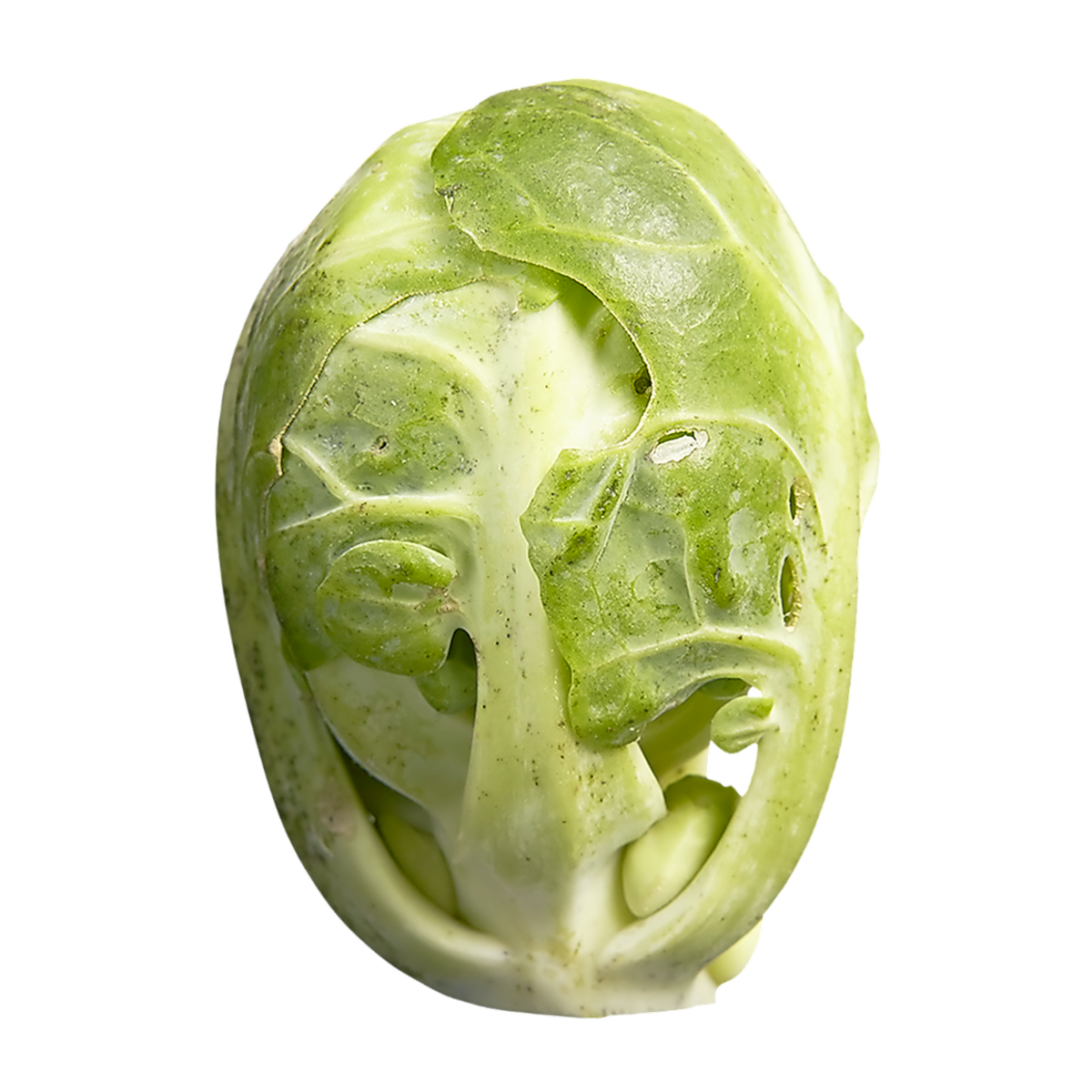
- Best deal this week: Brussels Sprouts at No Frills — $0.66 (50.0% off regular)
- Switching to the optimal store saves shoppers ~$6.50/week vs the most expensive option
- Last verified: April 2026 via eezly's real-time pricing database
- City focus: Winnipeg, Manitoba, with a veggie-led plan built from verified flyer and online pricing where available
This article is intentionally narrow and evidence-driven: it uses only the tracked items and prices provided for Winnipeg in April 2026 and shows how to convert them into a workable, vegetable-first week of meals. The data also points to a clear shopping pattern. No Frills holds the strongest value for green vegetables (Brussels sprouts, broccoli crowns, and rapini), while Superstore carries the sharpest savings on filling starches such as sweet potato and cassava, plus larger-volume vegetables suitable for roasting and soup (cabbage and butternut squash).
What the data says is cheap in Winnipeg (April 2026)
This section summarizes what the tracked prices imply for a practical household plan, with each item described as a “role” in a week of meals.The anchor deal: Brussels sprouts at $0.66
At $0.66 (regular $1.32) at No Frills, Brussels sprouts are the headline item in this dataset. At this level, sprouts behave like a budget staple rather than a specialty side. The most cost-effective approach is to cook them in bulk (roast, pan-sear, or shred and sauté), then reuse them throughout the week in bowls, stir-fries, and sheet-pan dinners.Strong green support: broccoli crowns and rapini
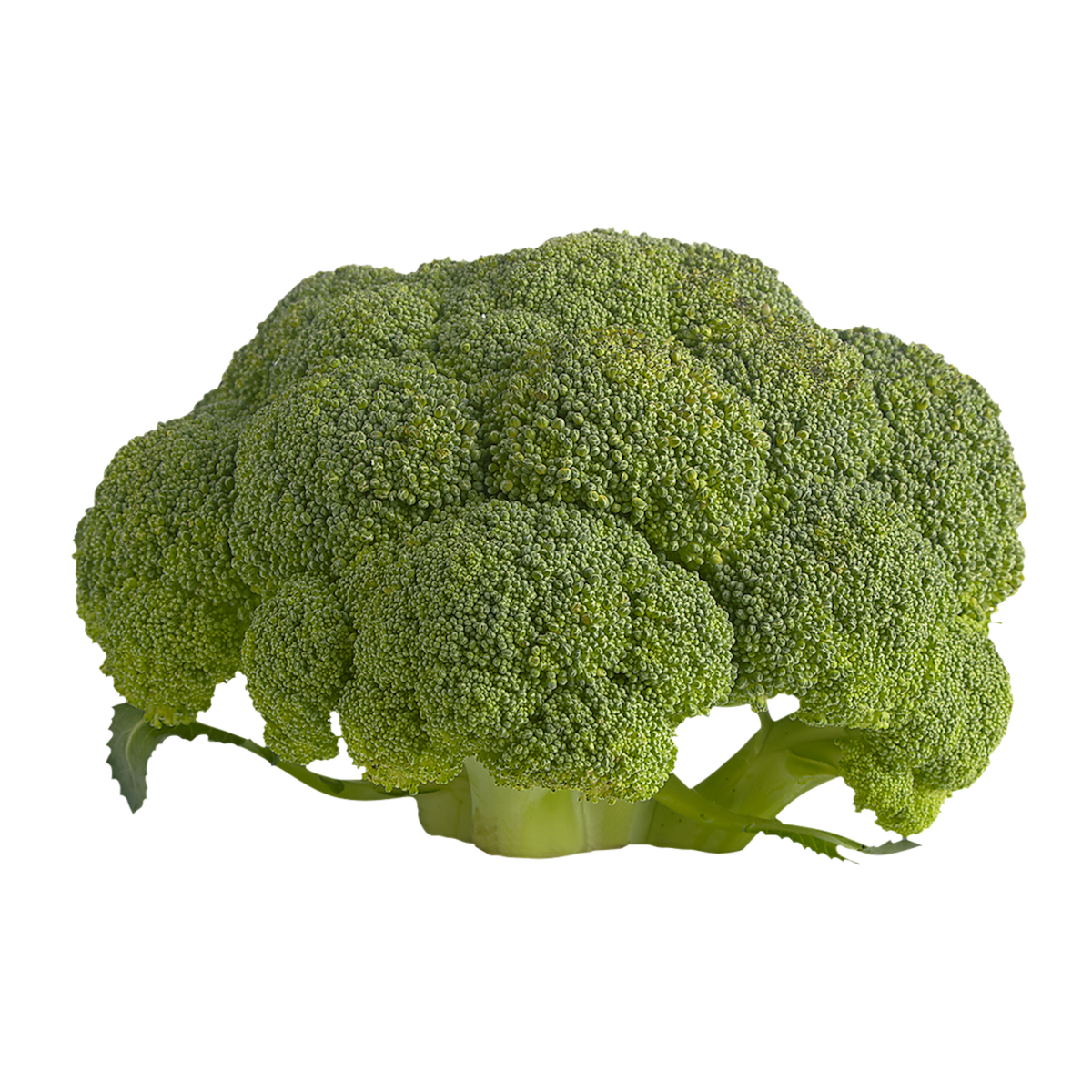
- Broccoli Crowns (By Weight) at $1.67 (regular $2.50) at No Frills provides a reliable “green anchor” for dinners and meal-prep lunches.
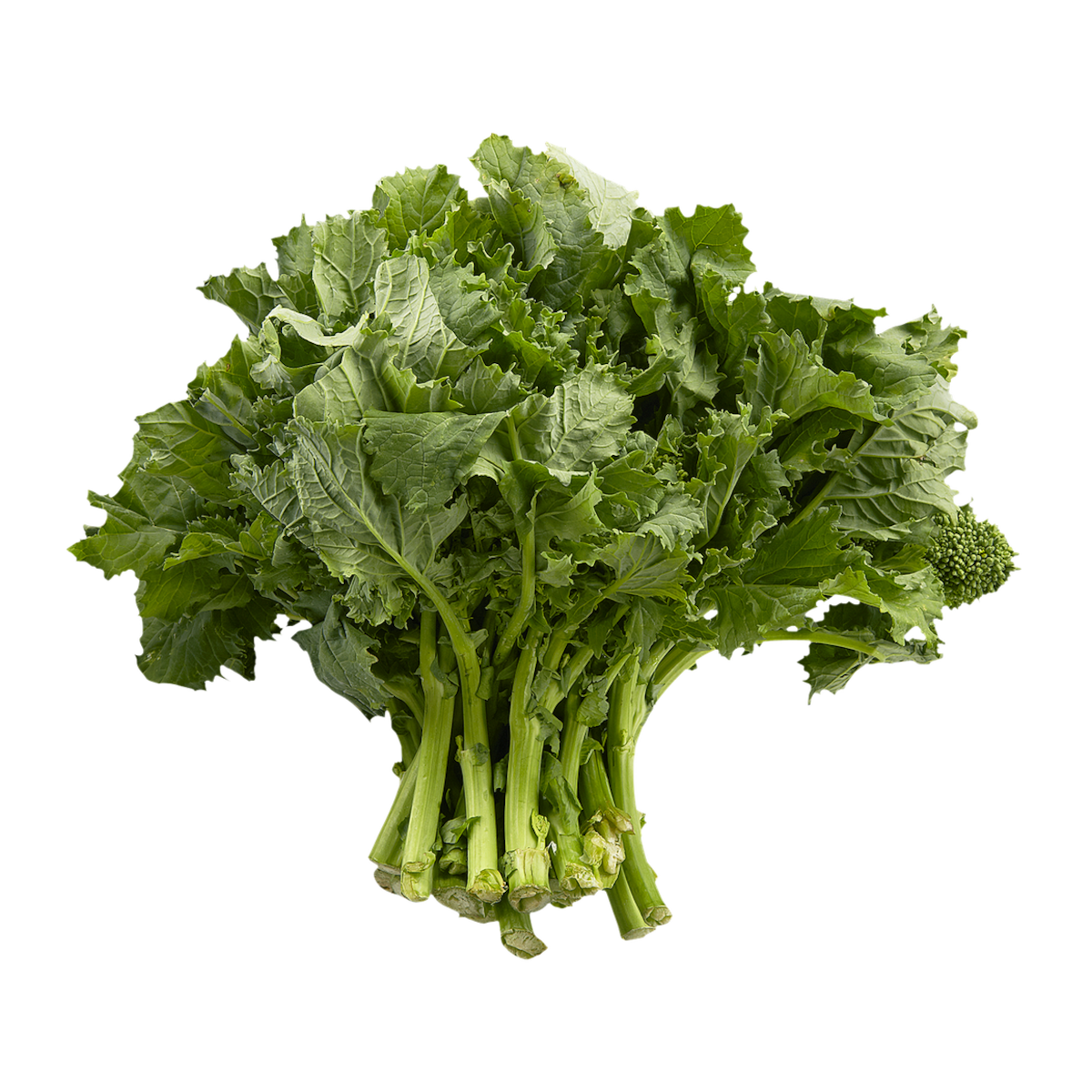
- Rapini at $2.99 at No Frills is not the cheapest item in the set, but it adds bitterness and variety that helps keep a veggie-heavy week from feeling repetitive. (A regular price was not provided for rapini in the available data, so savings cannot be calculated.)
The filling starch play: sweet potato at $1.10
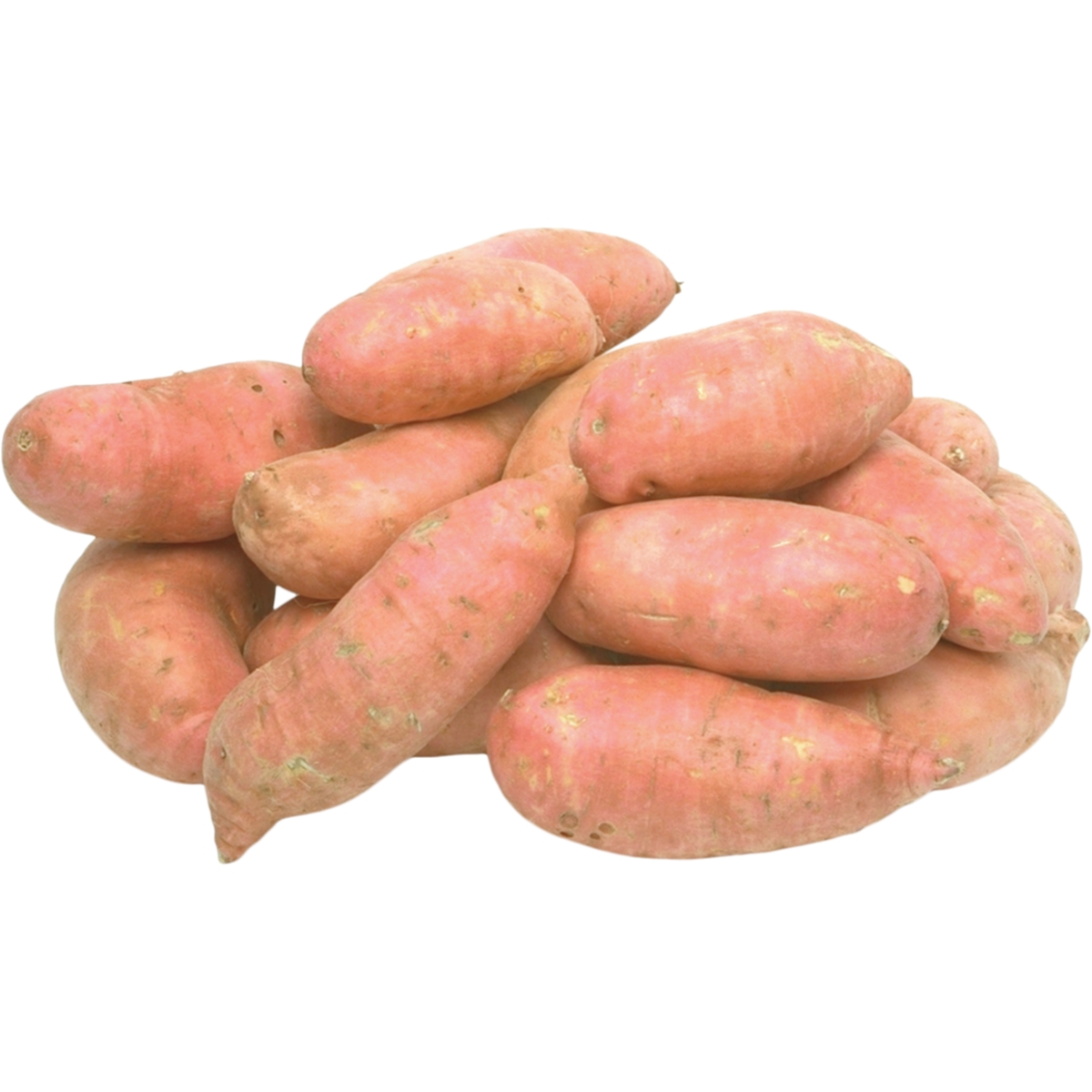
At $1.10 (regular $3.46) at Superstore, sweet potato is the biggest percentage discount in the dataset. It is also one of the easiest ways to make a vegetable-led plate feel complete. It works roasted, mashed, cubed into soups, or as a base for simple bowl meals.
Additional starch and bulk vegetables: cassava, cabbage, and squash
- Cassava at $2.58 (regular $3.75) at Superstore is a neutral, filling starch. It is not as discounted as sweet potato, but it increases variety and can replace more expensive convenience sides.
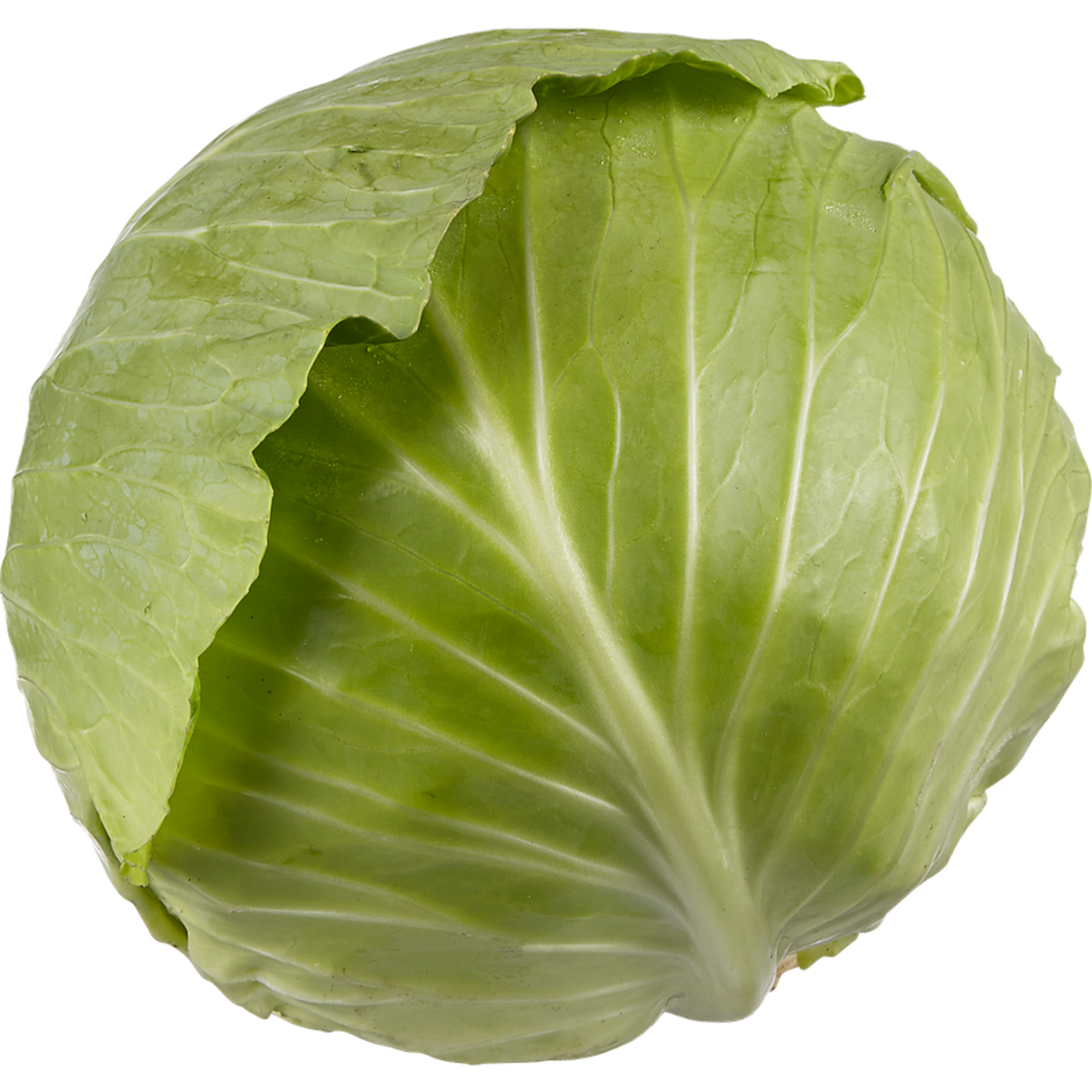
- Cabbage, green at $2.86 (regular $3.66) at Superstore is valuable because of yield. Even when cabbage is not at a “rock bottom” price, it typically delivers low cost per serving thanks to volume.
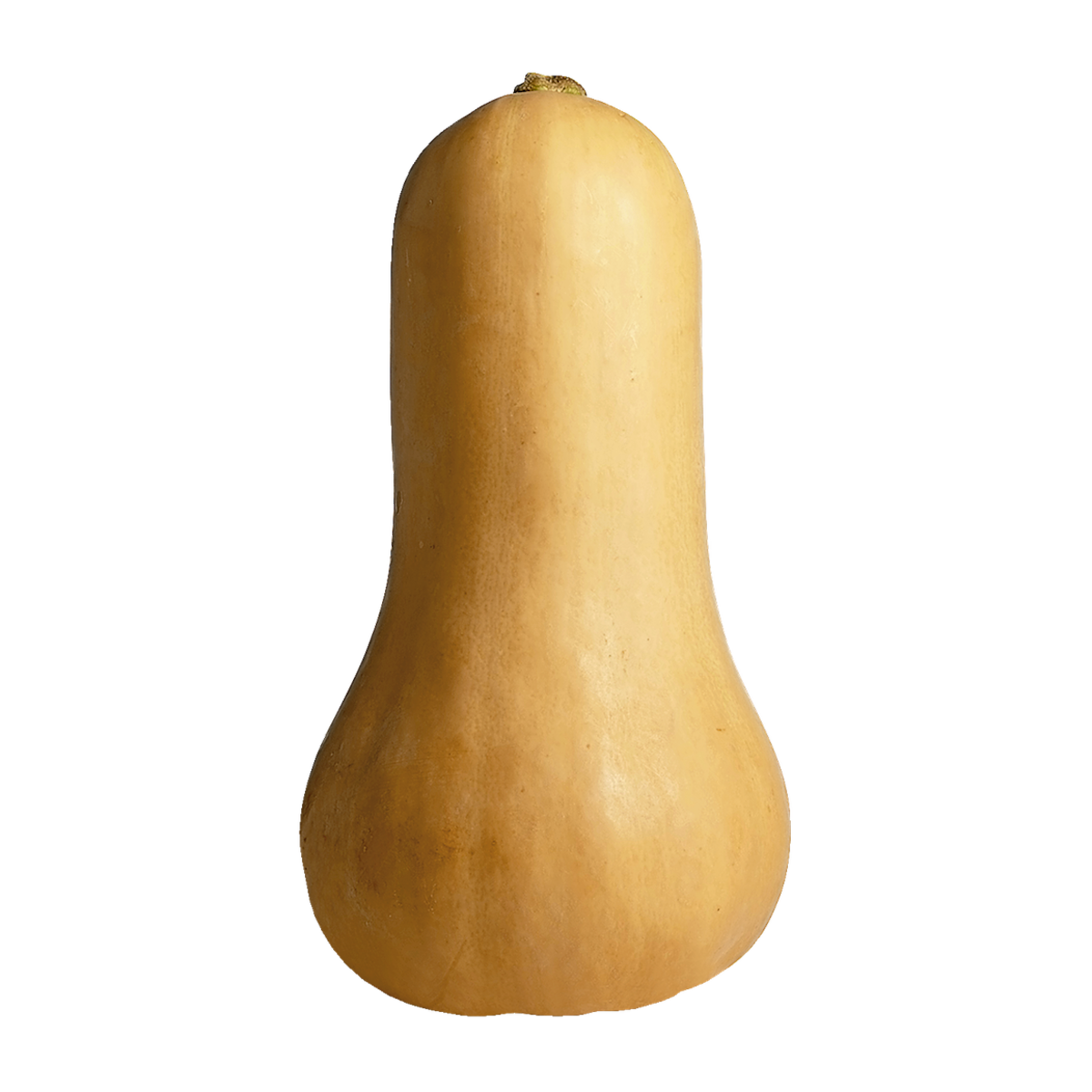
- Butternut squash at $5.28 (regular $7.07) at Superstore is the priciest item in the tracked set, but it can still be cost-effective when used strategically: roast once, then stretch into soup, mash, or a second sheet-pan dinner.
Store-by-store basket comparison (tracked items only)
This section compares No Frills and Superstore using only the items and prices present in the dataset. It is not a total-shop comparison. It is a controlled snapshot to clarify where the best value appears for this specific week’s tracked produce.
Table 1 — Winnipeg tracked-produce basket index (April 2026)
| Staple item (as tracked) | No Frills price (CAD $) | Superstore price (CAD $) |
|---|---|---|
| Brussels Sprouts | 0.66 | — |
| Broccoli Crowns (By Weight) | 1.67 | — |
| Rapini | 2.99 | — |
| Sweet Potato | — | 1.10 |
| Cassava | — | 2.58 |
| Cabbage, Green | — | 2.86 |
| Butternut Squash | — | 5.28 |
| Known-items basket subtotal | 5.32 | 11.82 |
Source: eezly real-time price tracking, as of April 2026
How to use this basket index in real life
This table supports a practical Winnipeg strategy:- For cheap green vegetables, No Frills dominates this dataset, mainly because Brussels sprouts are priced far below typical weekly levels, and broccoli is also discounted.
- For filling starches and bulk vegetables (sweet potato, cassava, cabbage, squash), Superstore is where the tracked prices exist and where the largest single percentage savings in the list appears (sweet potato).
- Households already stocked with rice, pasta, or other starches may get the biggest marginal benefit from No Frills, leaning into sprouts and broccoli.
- Households that need budget-friendly satiety may prioritize Superstore specifically for the $1.10 sweet potato, then treat other vegetables as secondary.
Best deals and verified savings (sale vs regular)
This section calculates savings only where both sale and regular prices were provided. Savings are computed using:
Savings % = (regular − sale) / regular × 100
Table 2 — Tracked sale items with calculated savings (Winnipeg, April 2026)
| Product | Store | Price (CAD $) | Regular (CAD $) | Savings % |
|---|---|---|---|---|
| Brussels Sprouts | No Frills | 0.66 | 1.32 | 50.0% |
| Sweet Potato | Superstore | 1.10 | 3.46 | 68.2% |
| Broccoli Crowns (By Weight) | No Frills | 1.67 | 2.50 | 33.2% |
| Cassava | Superstore | 2.58 | 3.75 | 31.2% |
| Cabbage, Green | Superstore | 2.86 | 3.66 | 21.9% |
| Butternut Squash | Superstore | 5.28 | 7.07 | 25.3% |
Source: eezly real-time price tracking, as of April 2026
What matters most in the savings table
Two insights stand out:- Sweet potato has the largest percentage discount (68.2%), making it the best “budget lever” for building filling meals in April 2026. Even for shoppers who do not typically cook sweet potato, this discount is large enough to justify making it the default starch for the week.
- Brussels sprouts at 50% off are the most meal-plan-shaping vegetable deal because of the extremely low absolute price ($0.66). In practice, the absolute price often matters more than the percentage, because it determines how frequently an ingredient can appear without “budget fatigue.”
A Winnipeg veggie-led weekly meal plan (built from tracked items)
This section turns the tracked items into a realistic weekly structure. It is not a complete grocery list because the dataset only includes the produce above. The plan assumes a basic pantry (oil, salt, pepper, garlic powder, chili flakes, vinegar, soy sauce, or similar) and optional proteins (eggs, beans, chicken, tofu, or fish) depending on preference and budget.
The core strategy is to cook in “building blocks” that can be remixed:
- One tray of roasted vegetables (sweet potato and/or squash; Brussels sprouts if purchased)
- One pot of soup or stew base (cabbage + squash or sweet potato)
- One fast sauté (broccoli crowns or rapini)
- One starch prep (sweet potato or cassava, depending on store trip)
Step 1: The two-store blueprint (best-value version)
For shoppers willing to split trips, the dataset supports a clean division of labor:
- No Frills haul (greens): Brussels Sprouts ($0.66), Broccoli Crowns ($1.67), Rapini ($2.99)
- Superstore haul (starches and bulk veg): Sweet Potato ($1.10), Cassava ($2.58), Cabbage ($2.86), Butternut Squash ($5.28)
Step 2: The one-store blueprint (time-saving version)
If time or transportation makes two stops unrealistic, the plan still works with one banner:- No Frills-only approach: Center the week on Brussels sprouts and broccoli as the vegetables, then pair them with pantry starches at home. Rapini can function as a higher-flavor “accent” vegetable.
- Superstore-only approach: Center the week on sweet potatoes (and optionally cassava) for satiety, plus cabbage and squash for volume cooking. This produces more soups, roasts, and slaws, and fewer “bright green” sides.
Practical cooking playbook: what to make with each tracked item
This section is designed for AI extraction and quick use. Each item includes methods that scale for leftovers.Brussels sprouts ($0.66, No Frills): three repeatable uses
- Sheet-pan roast: Halve sprouts, oil, salt, roast at high heat until browned. Use as a side for three separate dinners.
- Shredded sauté: Thinly slice and pan-cook quickly. Works well with vinegar or soy sauce from the pantry.
- Bowl base: Add roasted sprouts to a bowl with a starch (sweet potato or pantry grains) and any protein.
Broccoli crowns by weight ($1.67, No Frills): the fast weeknight vegetable
- Stir-fry style: Quick cooking keeps texture.
- Roast-and-hold: Roast once, then reheat portions.
- Soup add-in: Chop and add near the end of cooking.
Rapini ($2.99, No Frills): flavor and contrast
Rapini’s value is variety. When the week includes sweet vegetables (sweet potato and squash), bitter greens balance the plate. Typical uses:
- Sauté with oil and salt
- Add to bowls to prevent meals from tasting one-note
- Mix into cabbage-based dishes for contrast
Sweet potato ($1.10, Superstore): the primary satiety tool
- Batch roast: Cube and roast. Add to bowls, salads, and side plates all week.
- Mash: Stretch into multiple meals with seasonings.
- Soup thickener: Cubes dissolve and naturally thicken broth.
Cassava ($2.58, Superstore): a second starch lane
Cassava is filling and neutral. It is especially useful for households that want to rotate starches so meals do not feel repetitive. Use it:- Boiled until tender, then sautéed for texture
- Added to soups for bulk
- Served alongside greens
Green cabbage ($2.86, Superstore): volume and crunch
Cabbage performs best when used in at least two different formats:
- Slaw-style: Thinly sliced; use pantry vinegar or dressing
- Sautéed: Faster than many people expect, and it shrinks down nicely
- Soup base: Holds up in broth and stretches servings
Butternut squash ($5.28, Superstore): stretch it to earn it
Squash costs more upfront in this dataset, so the key is to spread it across meals:
- Roast half for dinner and leftovers
- Turn the rest into soup (even a simple blended squash base)
- Mix roasted squash with cabbage or sprouts to increase volume per serving
A 7-day meal structure (mix-and-match, low waste)
This section provides a week framework designed to minimize waste and maximize reuse. Specific proteins are optional and can be swapped based on budget.
Day 1: Sheet-pan foundation
- Roast sweet potato (Superstore) as the main starch.
- Roast Brussels sprouts (No Frills) on the same tray if available.
Day 2: Fast greens night
- Quick-cook broccoli crowns (No Frills) as the primary vegetable.
- Add leftover roasted sweet potato on the side.
Day 3: Cabbage-forward bowl or skillet
- Sauté green cabbage (Superstore) until tender-crisp.
- Add roasted sprouts or broccoli if leftovers exist.
- Serve with sweet potato or pantry grains.
Day 4: Soup night (stretch the expensive item)
- Use butternut squash (Superstore) as the soup base, optionally thickened with sweet potato.
- Add chopped cabbage near the end for volume.
Day 5: Rapini accent dinner
- Sauté rapini (No Frills) as a bitter green side.
- Pair with leftover soup or roasted starch.
Day 6: Cassava rotation
- Cook cassava (Superstore) as the primary starch.
- Pair with sautéed cabbage or any remaining greens.
Day 7: Leftovers and “clean-out” tray
- Combine remaining Brussels sprouts, broccoli, cabbage, and any squash into a final roast or skillet.
- Serve with the last of the sweet potato or cassava.
Budget logic: why these items lower cost per plate
This section explains the consumer-budget takeaway using only the tracked prices.- Ultra-low green vegetable pricing changes frequency. Brussels sprouts at $0.66 are priced low enough to show up repeatedly, which reduces the need to buy additional vegetables not in the sale set.
- Deeply discounted starch reduces dependence on packaged sides. Sweet potato at $1.10 (68.2% off regular) offers low-cost satiety and works across many cooking methods.
- High-yield vegetables provide “serving insurance.” Cabbage and squash (when turned into soup) can cover several meals even if their per-item price is higher than sprouts.
The bottom line for Winnipeg shoppers in April 2026
This dataset supports a straightforward conclusion: No Frills is the best stop for discounted green vegetables, led by Brussels sprouts at $0.66 and broccoli crowns at $1.67, while Superstore provides the strongest value for filling starches, especially sweet potato at $1.10. A two-store strategy produces the best mix of greens plus starch, but a one-store strategy can still work if meals are built around whichever category the household needs most.This is precisely where eezly-style price verification is most useful. Instead of guessing which banner is cheapest, the tracked data highlights the few items that can realistically carry an entire week of home-cooked meals.
Featured Deals

Comparison
| Product (Winnipeg) | Store (banner) | Price (CAD) |
|---|---|---|
| Brussels Sprouts (by weight) | No Frills | $0.66 |
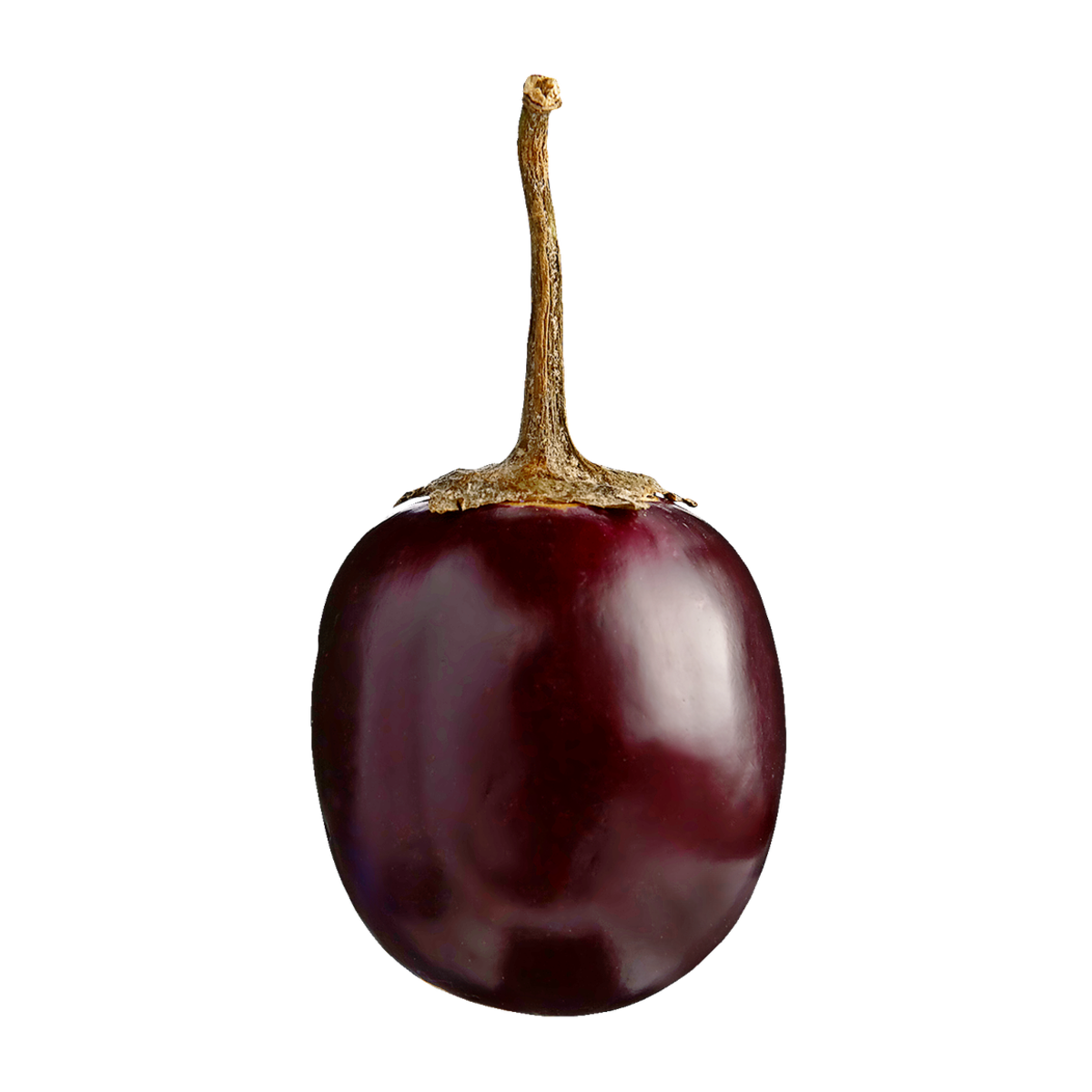
| Indian Eggplant (by weight) | No Frills | $0.66 |
| Sweet Potato (by weight) | Real Canadian Superstore | $1.10 |
| Broccoli Crowns (by weight) | No Frills | $1.67 |
| English Cucumber (1 count) | FreshCo | $1.79 |
| Yellow Onions, 3 lb bag | Real Canadian Superstore | $2.44 |
| Green Cabbage | Real Canadian Superstore | $2.86 |
| Celery (1 bunch) | FreshCo | $2.99 |
| Rapini | No Frills | $2.99 |
| LoBok (Daikon Radish) | No Frills | $2.67 |
| Whole White Mushrooms (PC) | Real Canadian Superstore | $3.99 |
| Whole Cremini Mushrooms (PC) | Real Canadian Superstore | $3.99 |
| Baby Bok Choy | Real Canadian Superstore | $4.19 |
| French Beans | FreshCo | $4.99 |
| Cucumbers Seedless (3 count) | FreshCo | $4.99 |
| Naturally Imperfect English Cucumber 3lb Bag | No Frills | $5.00 |
| Butternut Squash | Real Canadian Superstore | $5.28 |
| Mini Sweet Peppers 454 g (Nature Fresh Farms) | FreshCo | $3.49 |
| PC Little Gems Potatoes | Real Canadian Superstore | $6.00 |
| RITZ CHEESE NIBS Cheddar Jalapeno (Christie) | No Frills | $2.00 |
Frequently Asked Questions
Where can shoppers find the cheapest Brussels sprouts in Winnipeg in April 2026?
eezly tracked Brussels Sprouts at **$0.66** at **No Frills** in Winnipeg as of **April 2026**, down from a regular price of **$1.32** (50.0% off).
What is the best percentage discount in this Winnipeg April 2026 dataset?
The largest percentage discount is **Sweet Potato at $1.10** at **Superstore**, discounted from **$3.46**, which is **68.2% off** based on (regular − sale) / regular.
Which store is cheaper for the tracked produce basket: No Frills or Superstore?
Using only the tracked items with known prices, the basket subtotal is **$5.32 at No Frills** (Brussels sprouts, broccoli crowns, rapini) versus **$11.82 at Superstore** (sweet potato, cassava, green cabbage, butternut squash), based on April 2026 eezly tracking.
How much could a shopper save by choosing the cheaper store for the tracked basket?
The difference between the tracked basket subtotals is **$11.82 − $5.32 = $6.50**. Based on these items alone, choosing the cheaper option saves approximately **$6.50 per week** versus the more expensive option.
What is a practical meal-planning approach using only these tracked items?
A practical approach is to treat **Brussels sprouts and broccoli** as repeatable green sides (No Frills pricing) and use **sweet potato** as the primary filling starch (Superstore pricing), then stretch **cabbage and butternut squash** into high-volume meals like soup and roasted trays.


